Undercurrents of Memory
拾夢者的記憶伏流
- Medium
- Field recording, folk songs, spoken word, sound composition, participatory experience
During the research, Jez Fang recorded wind moving across grasslands, insects, birds, ground vibrations and the sounds of everyday life in Hengchun and Manzhou. The project also incorporates songs performed by folk singers Huang Que-yin and Hsieh Mien-ching. These recordings are not treated as illustrations of a landscape, but as sensory traces of time—holding both individual life experiences and the accumulated memory of the peninsula.


Land and Folk Songs
Hengchun folk songs exist beyond melody and lyrics. They carry the textures of labour, separation, longing, climate and land, as well as the time lived through by each singer.
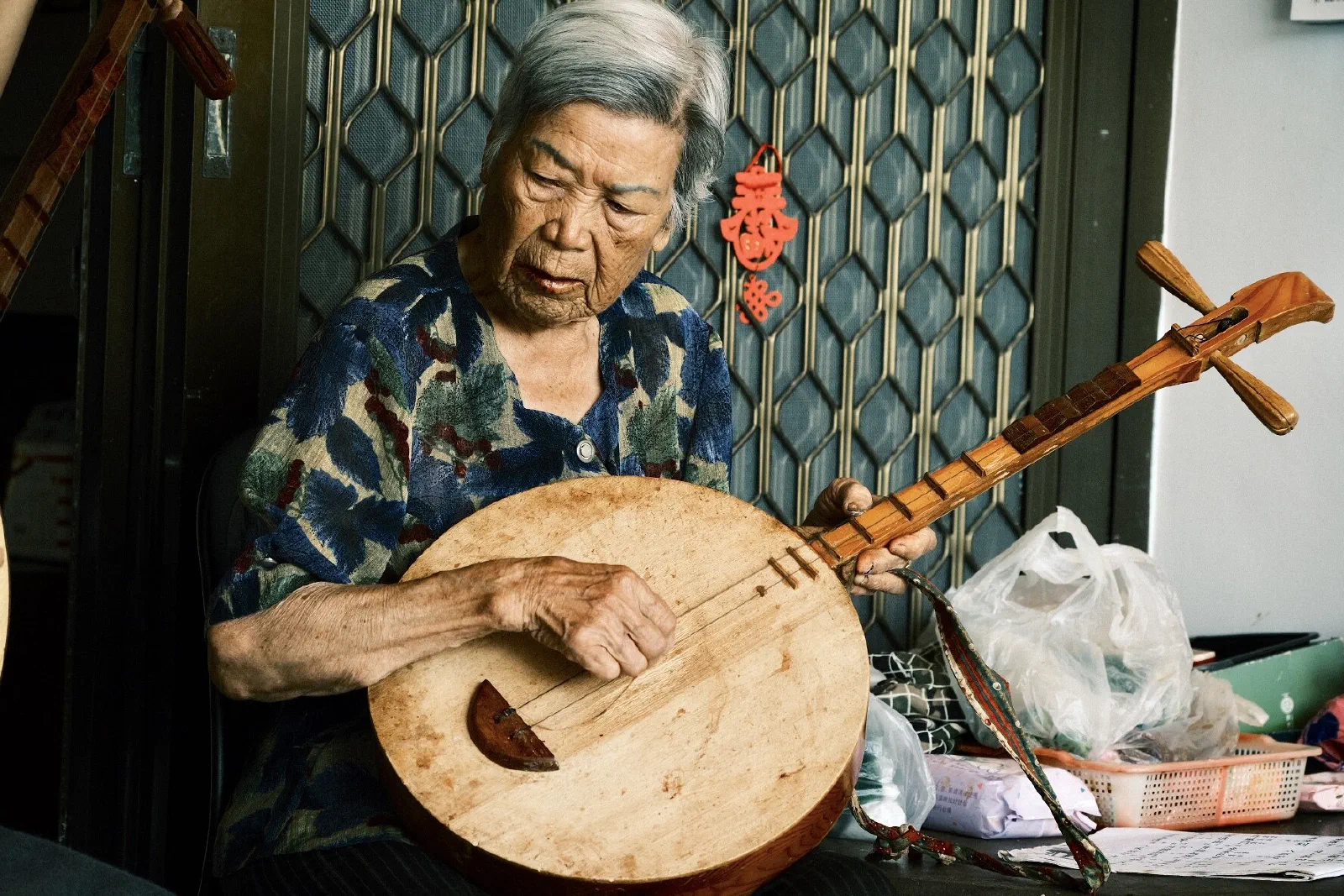

The work removes these songs from a conventional performance setting and places them alongside wind, soil, environmental recordings and electronic sound. Voices sometimes emerge clearly and sometimes recede into the depth of the soundscape, moving like memories beneath the surface of consciousness.
The “undercurrent” in the title is not a physical river. It refers to experiences that have not disappeared, even when they remain unspoken—preserved within accents, breath, melody and the vibrations of the land.

Immersive Experience
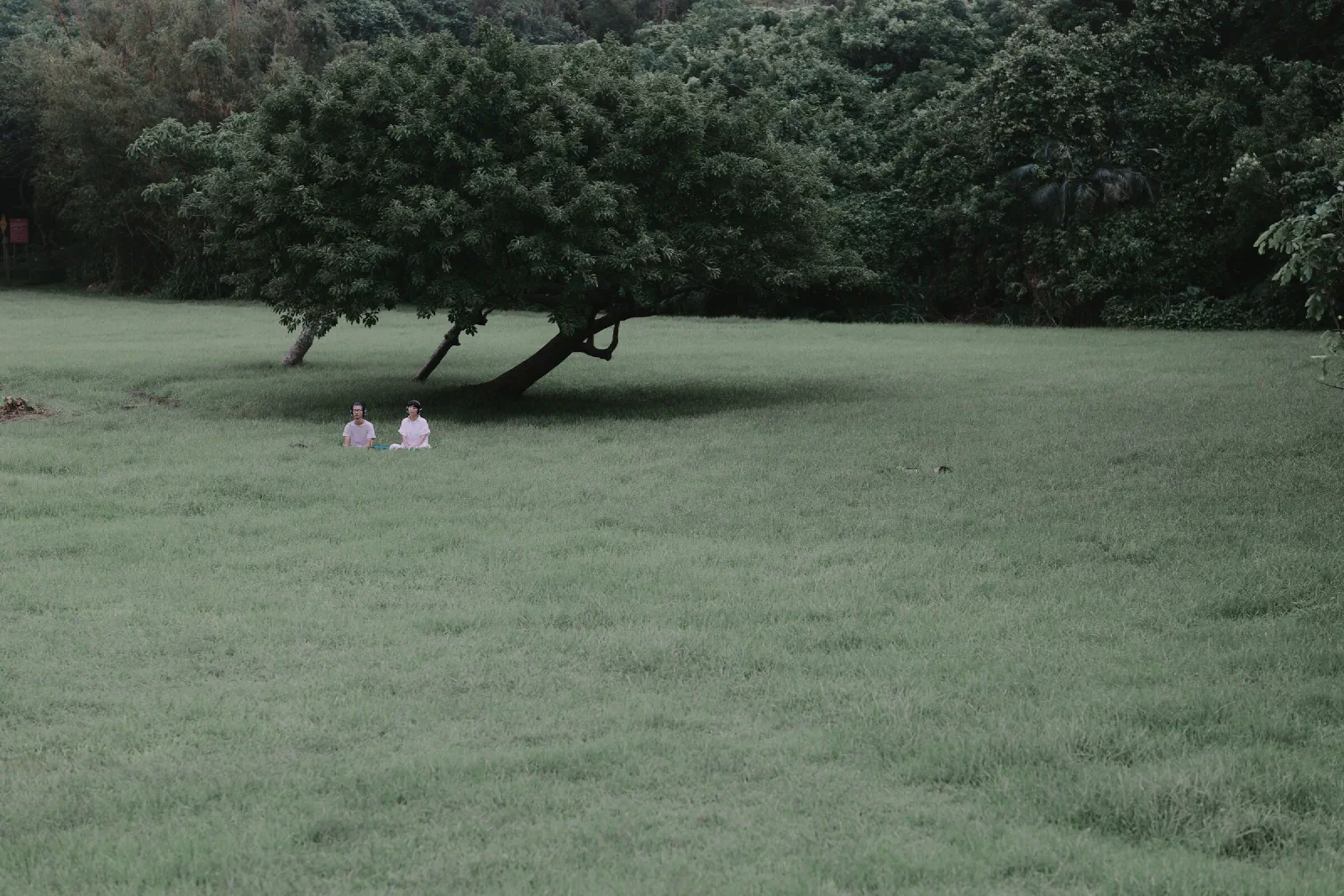
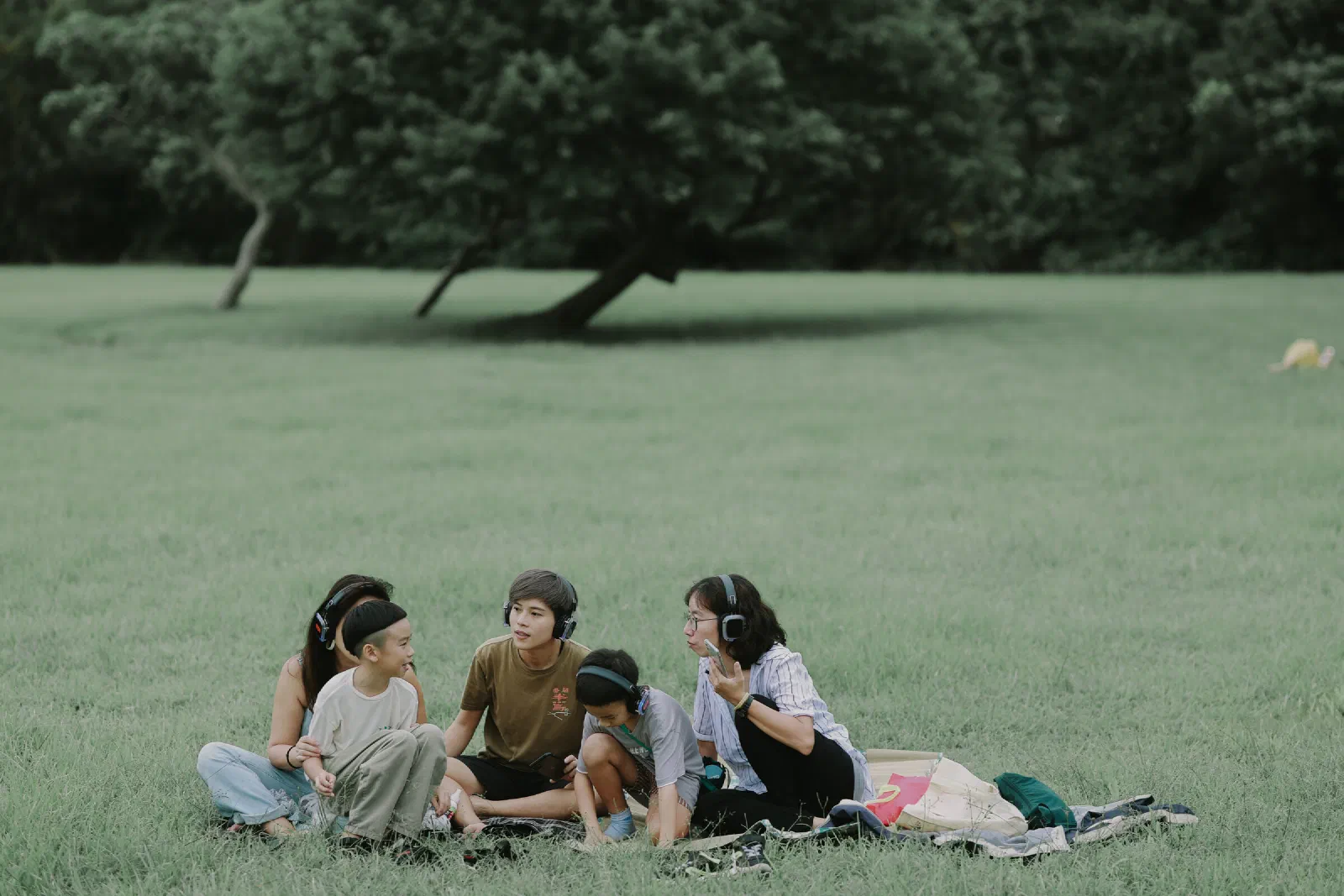
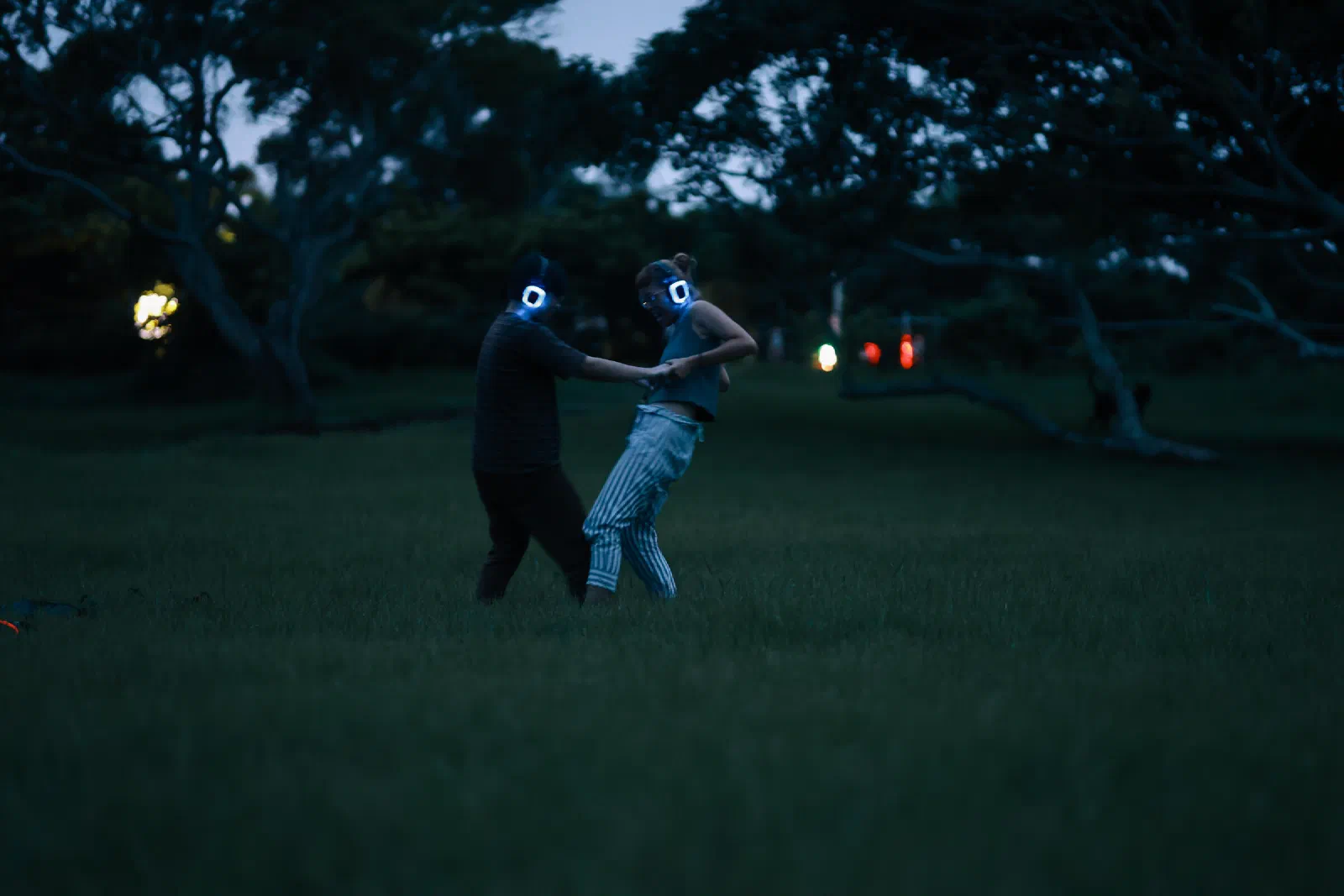
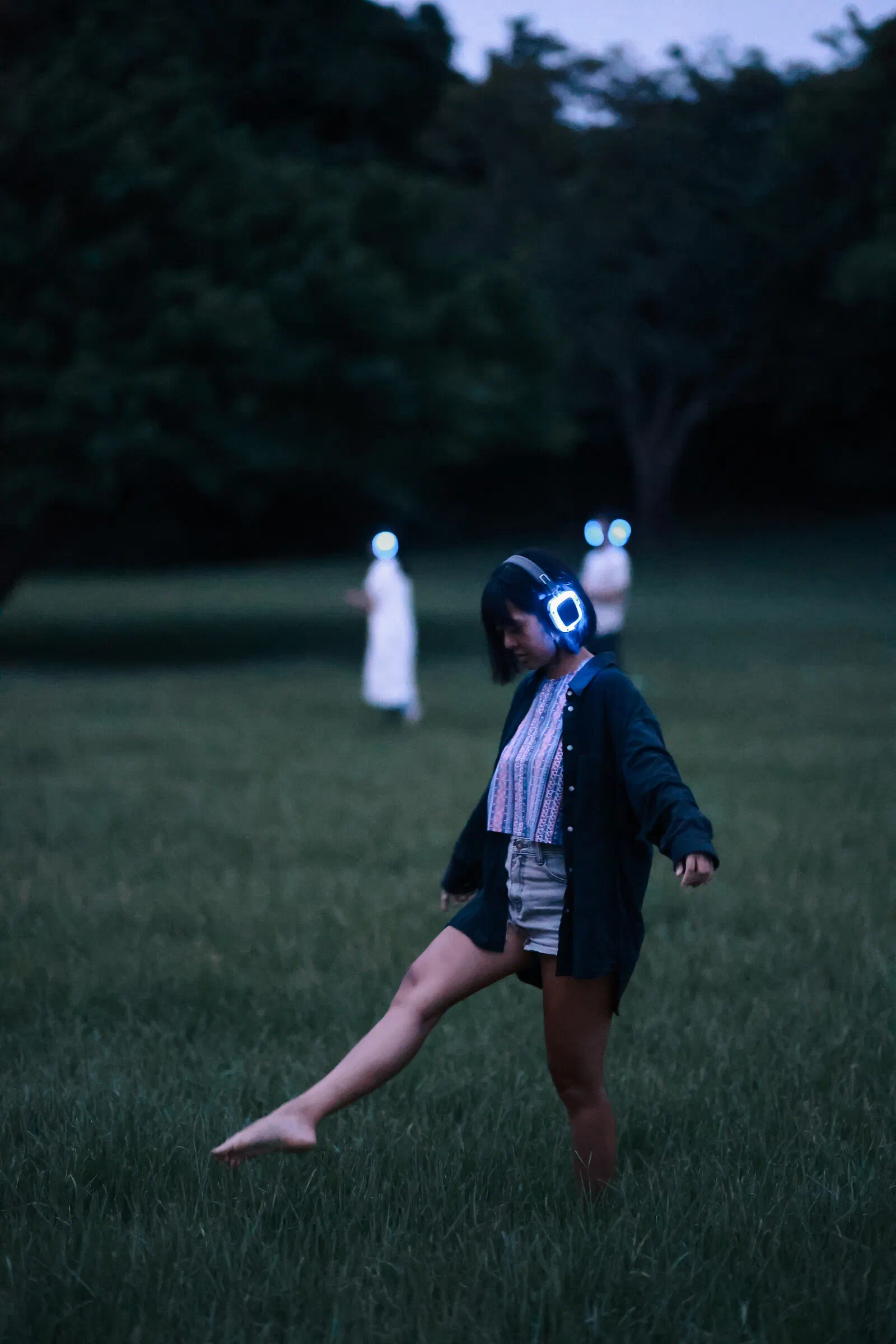
The composition was further developed into an outdoor experience combining sound, breath and spoken text. Participants lay on the grass at Sheding Nature Park while Kayo Lu’s poetic and embodied guidance led them through a soundscape composed of field recordings, folk voices and electronic textures.



Listening here extends beyond identifying the source of a sound. It becomes an embodied encounter through which song, landscape and personal memory begin to overlap. Participants are invited to step outside ordinary chronological time and enter a perceptual space between wakefulness, dreaming and remembrance.
The work is conceived as a love song for the Hengchun Peninsula, and as a lullaby for the people who have lived upon this ancient land.
Artistic Approach
Undercurrents of Memory considers how sound can preserve dimensions of place that cannot be fully held by images.
Field recording is approached not as objective documentation, but as a way of spending time with a place. By bringing environmental sound, folk song and human breath into the same listening space, the work transforms place from a geographical location into a perceptual field shaped by bodies, time and memory.
See also: Undercurrents of Memory: Nepal Chapter
Credits
- Sound Artist / Field Recording / Composition
- Jez Fang
- Poetic and Embodied Guidance
- Kayo Lu
- Hengchun Folk Song
- Huang Que-yin
- Manzhou Folk Song
- Hsieh Mien-ching
- Music Collaboration
- Mihael Hrustelj
- Location
- Sheding Nature Park, Hengchun Peninsula, Taiwan
- Year
- 2023