
Undercurrents of Memory: Nepal Chapter
拾夢者的記憶伏流:尼泊爾篇
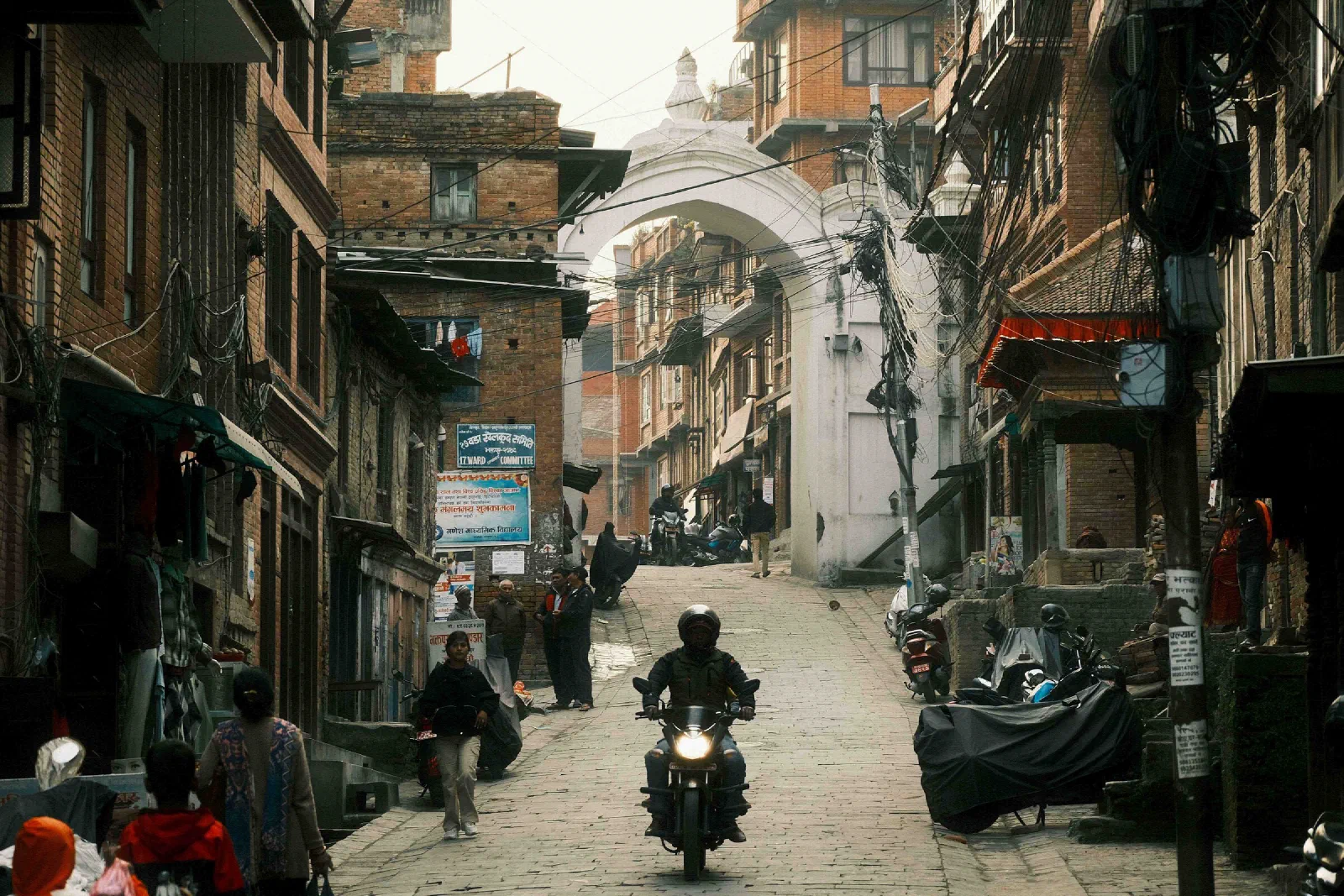
The work does not attempt to construct a complete sonic portrait of Nepal. Instead, it begins with fragments encountered by chance, exploring how sound can return the temperature, distance and embodied memory of a place.
Light, Ritual and Everyday Life
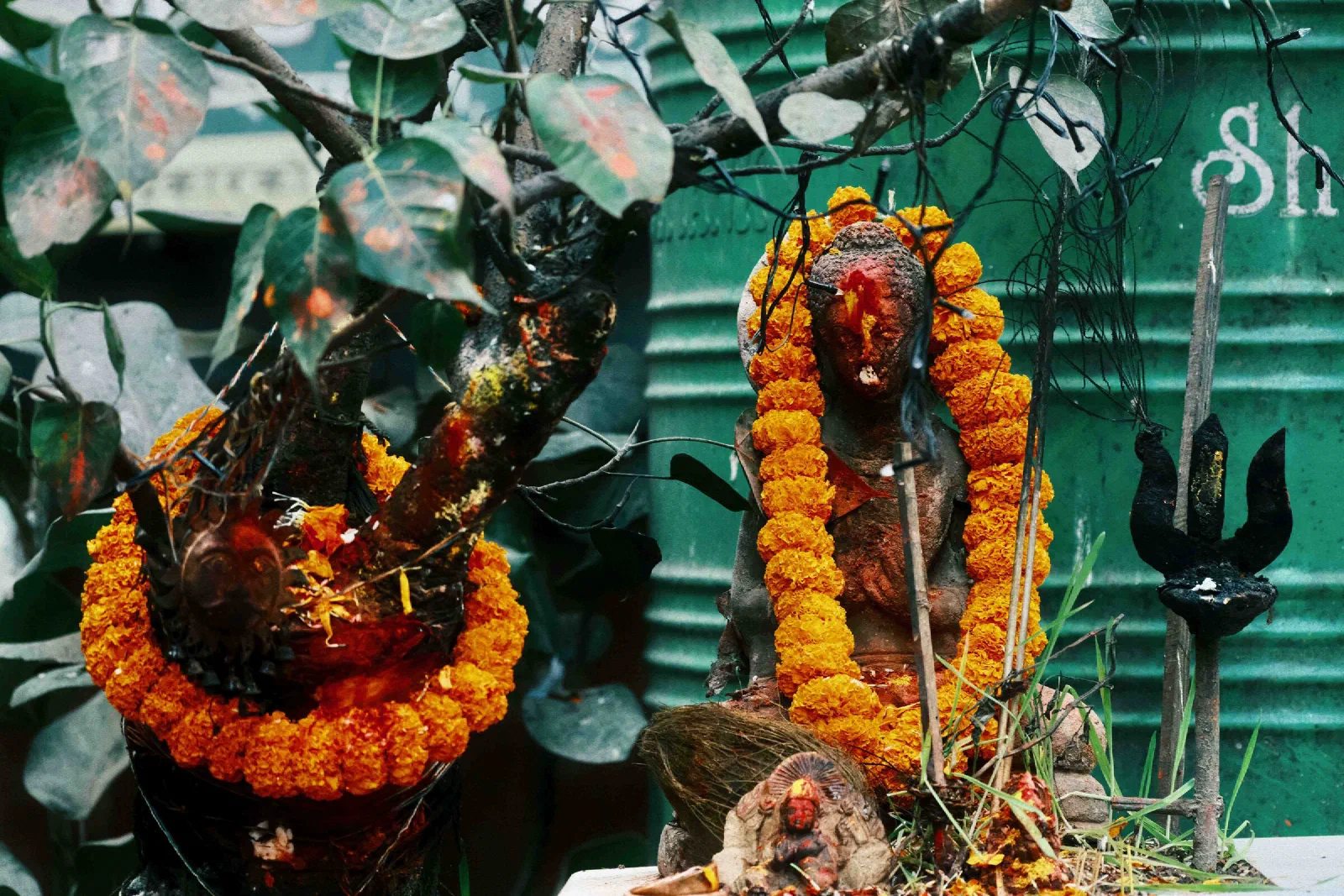
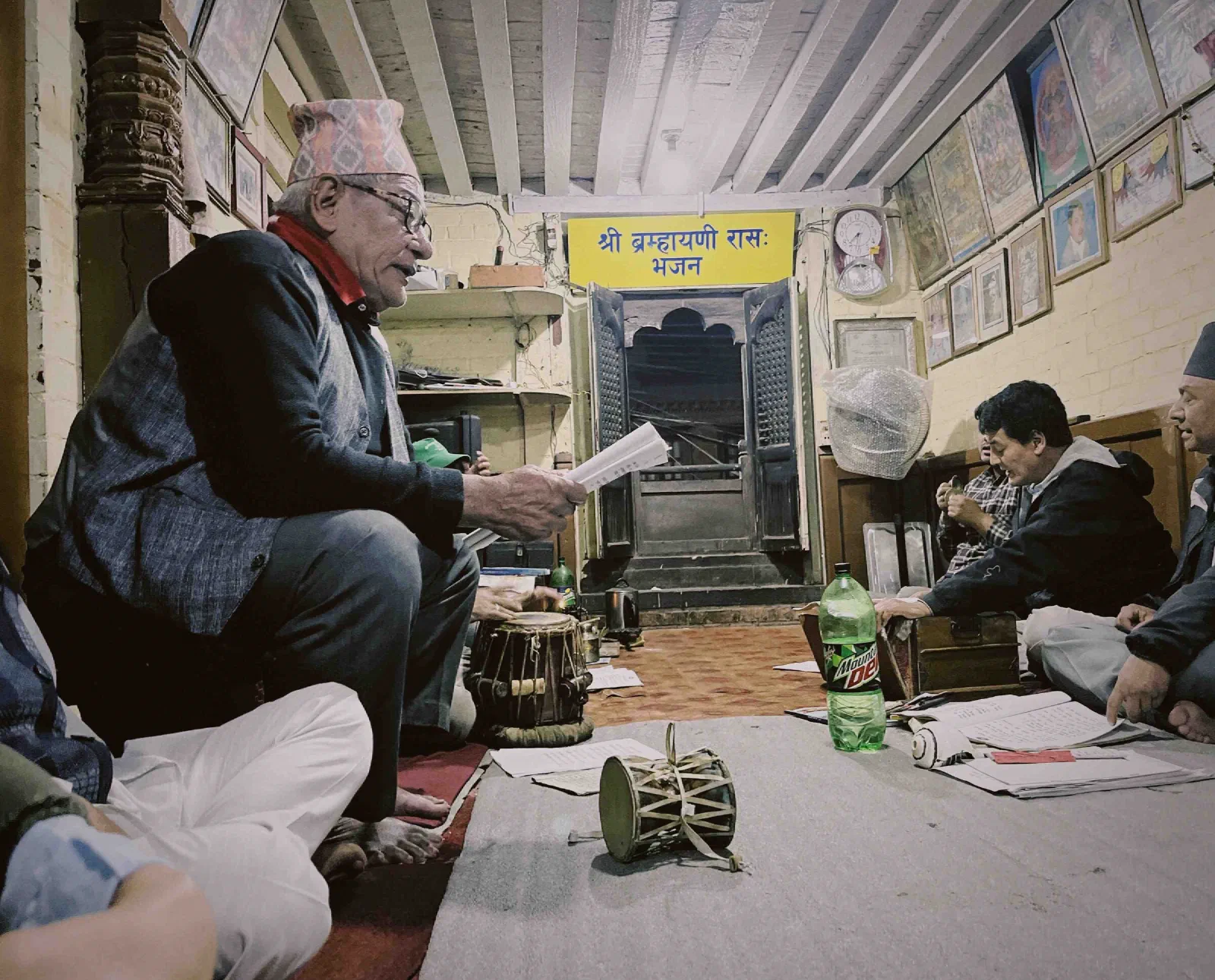
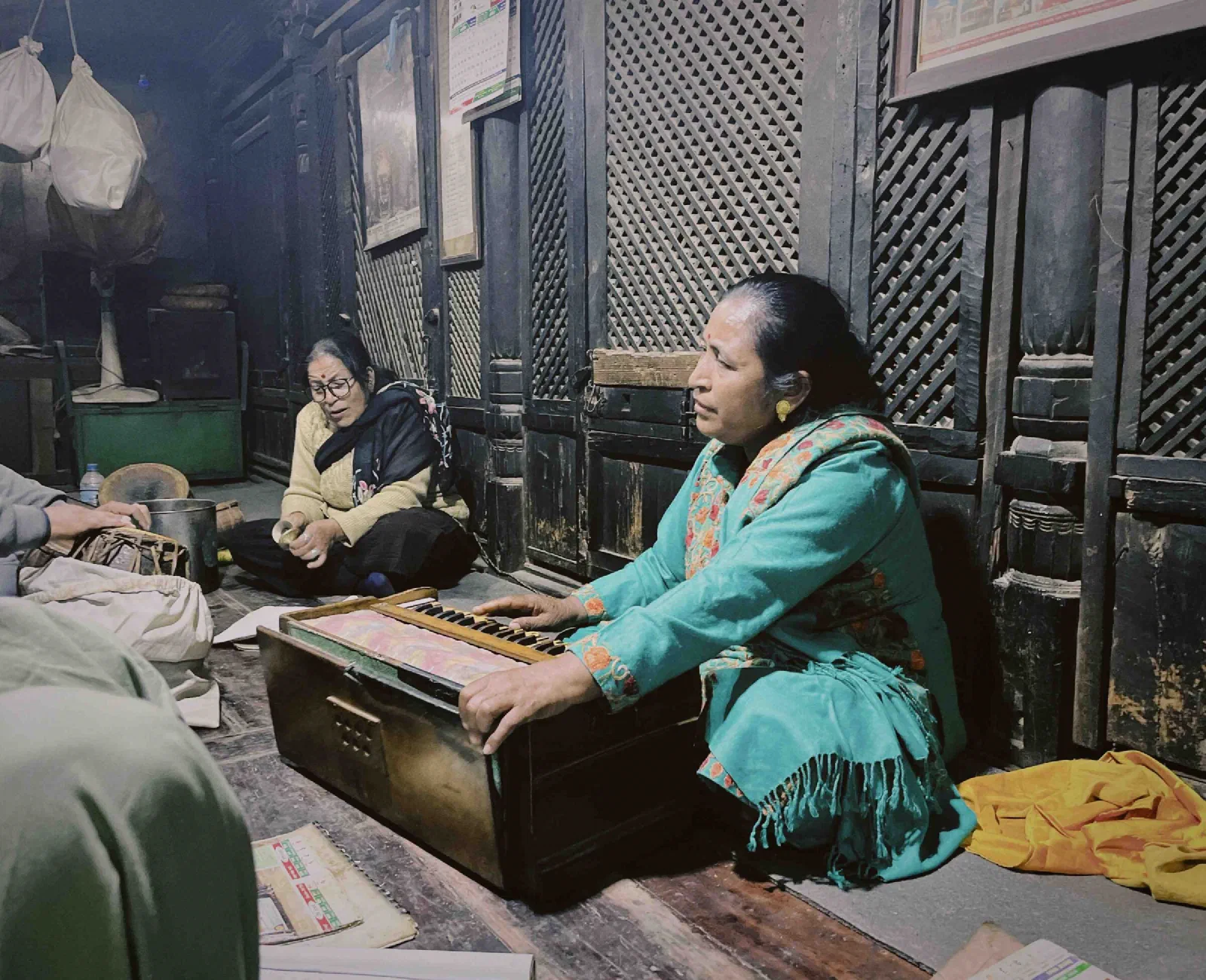
The recordings were made during an important festival of light celebrated by Newar communities. After nightfall, oil lamps and candles illuminated windows, doorways and streets, while music, singing and dancing moved through the city.
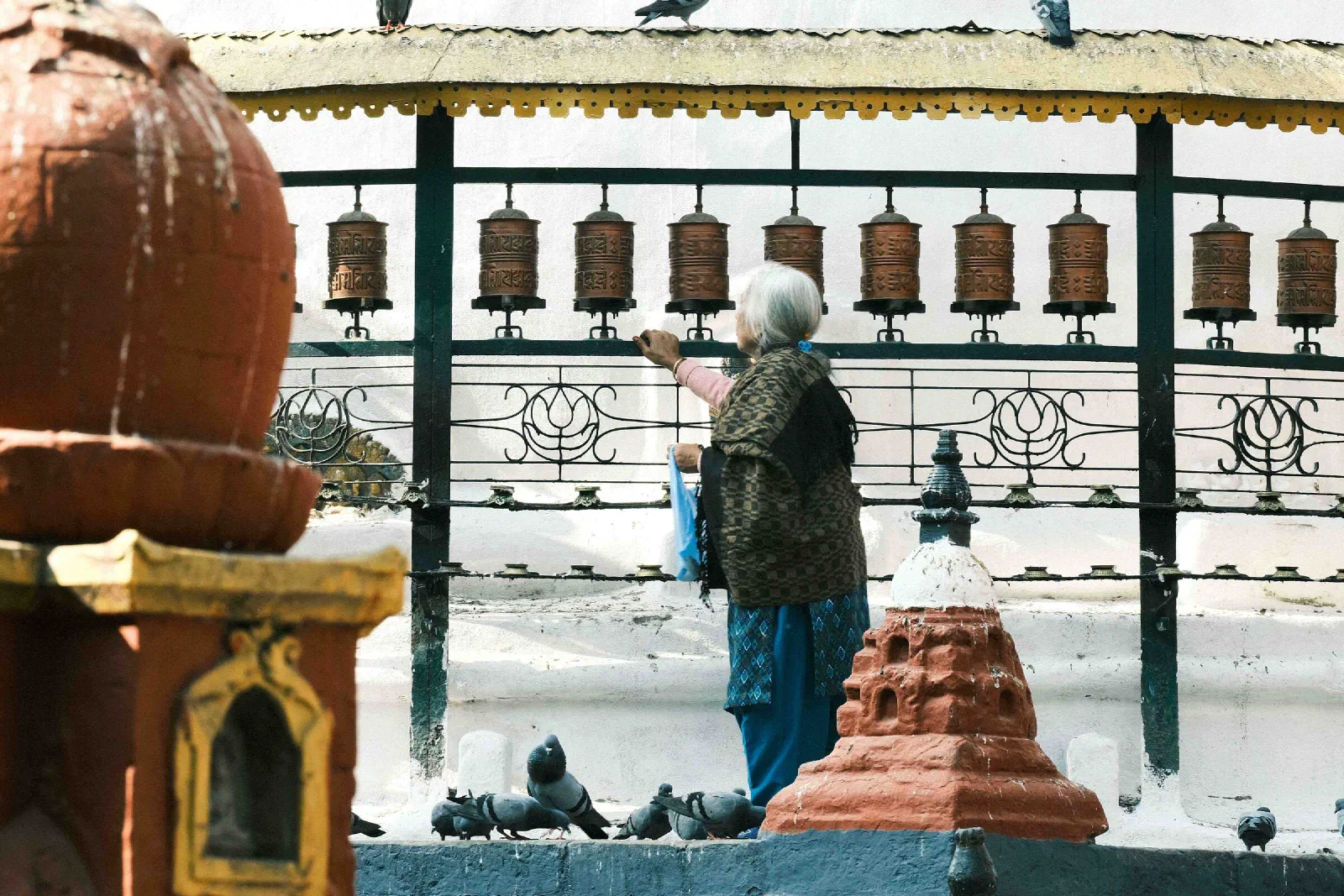
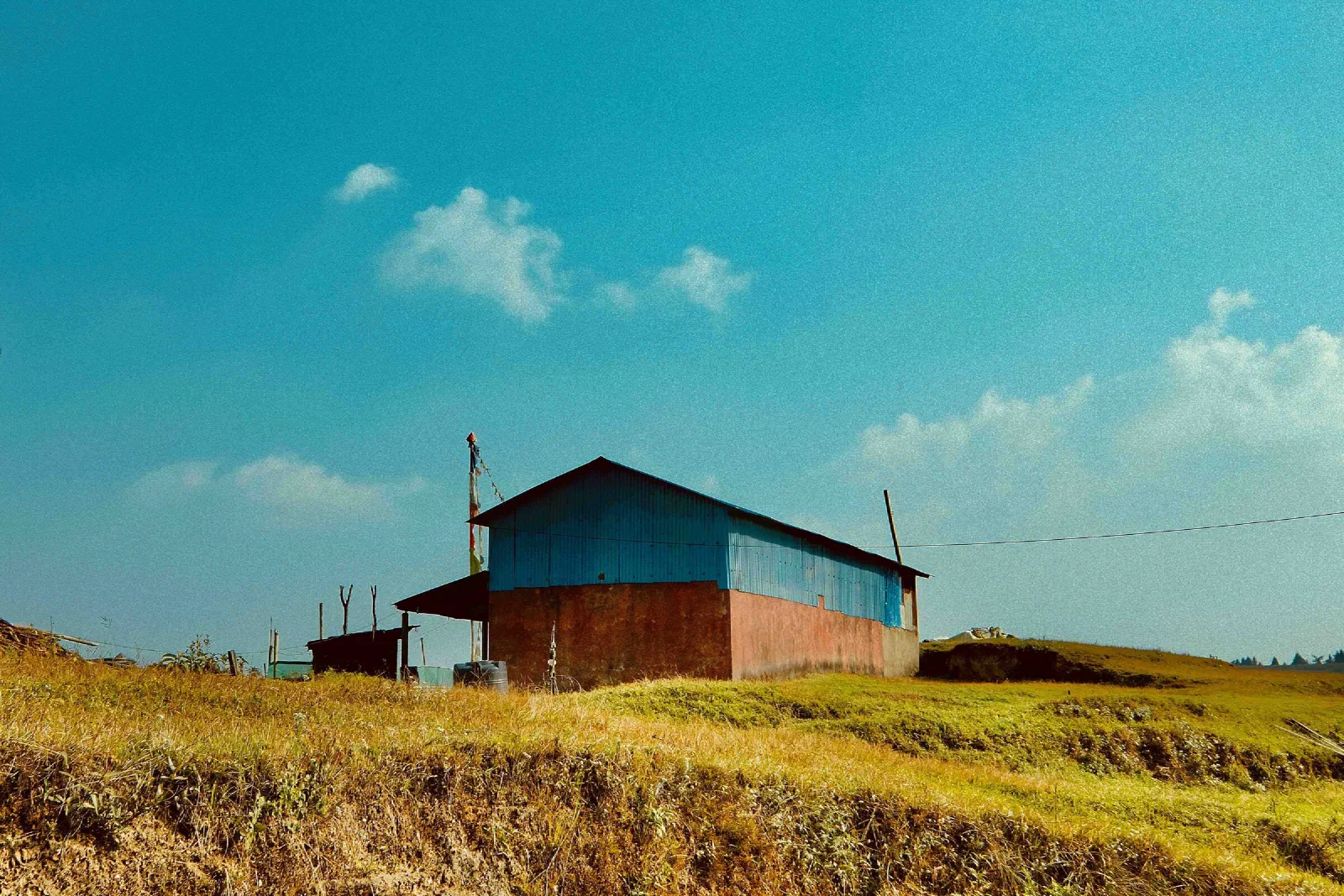
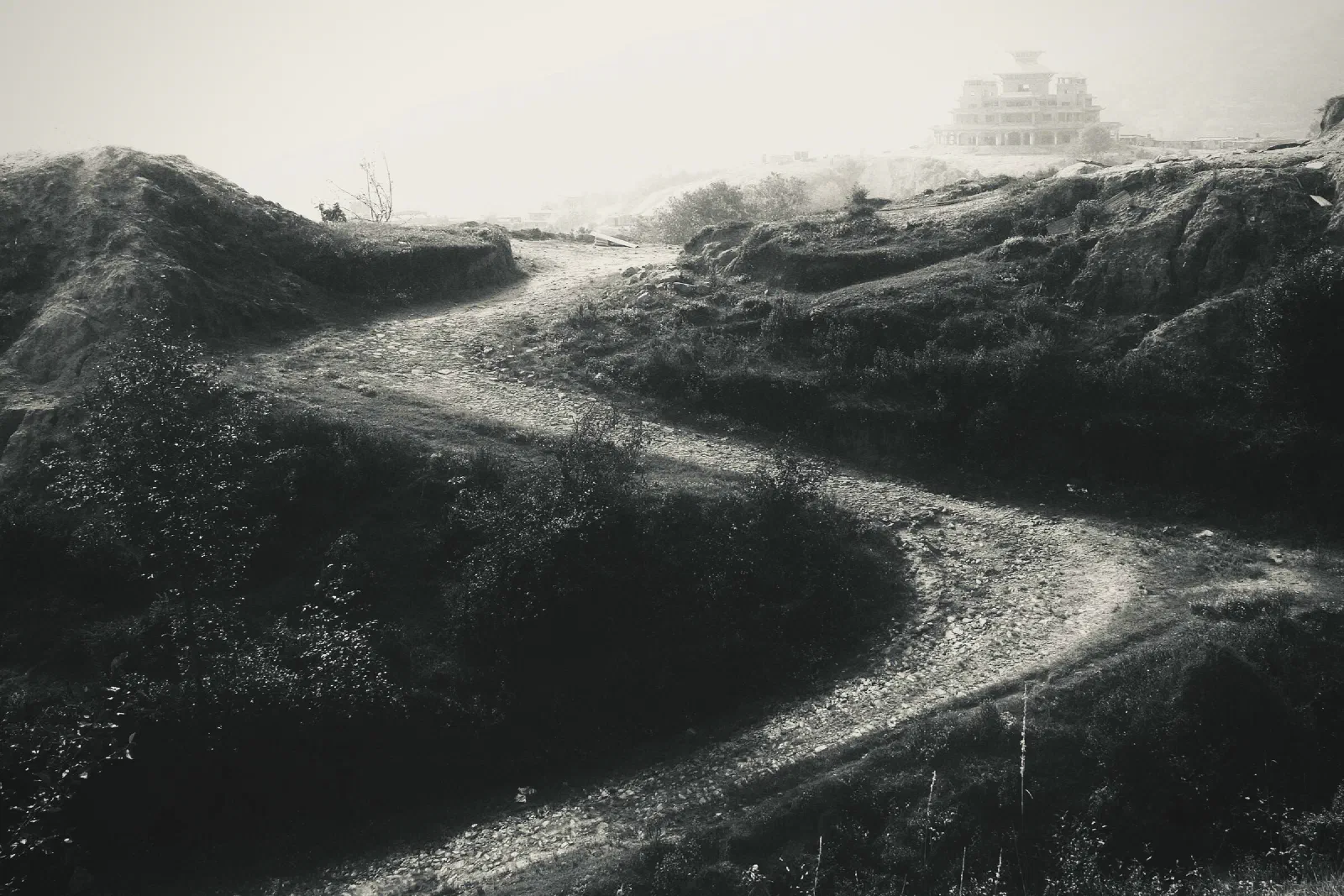
Not all the recorded sounds belonged to formal ceremonies. Sheep and children encountered along mountain paths, choral rehearsals heard from the street, the recurring rhythm of water wheels and chants carried from a distant monastery all became part of the sensory life of the place.
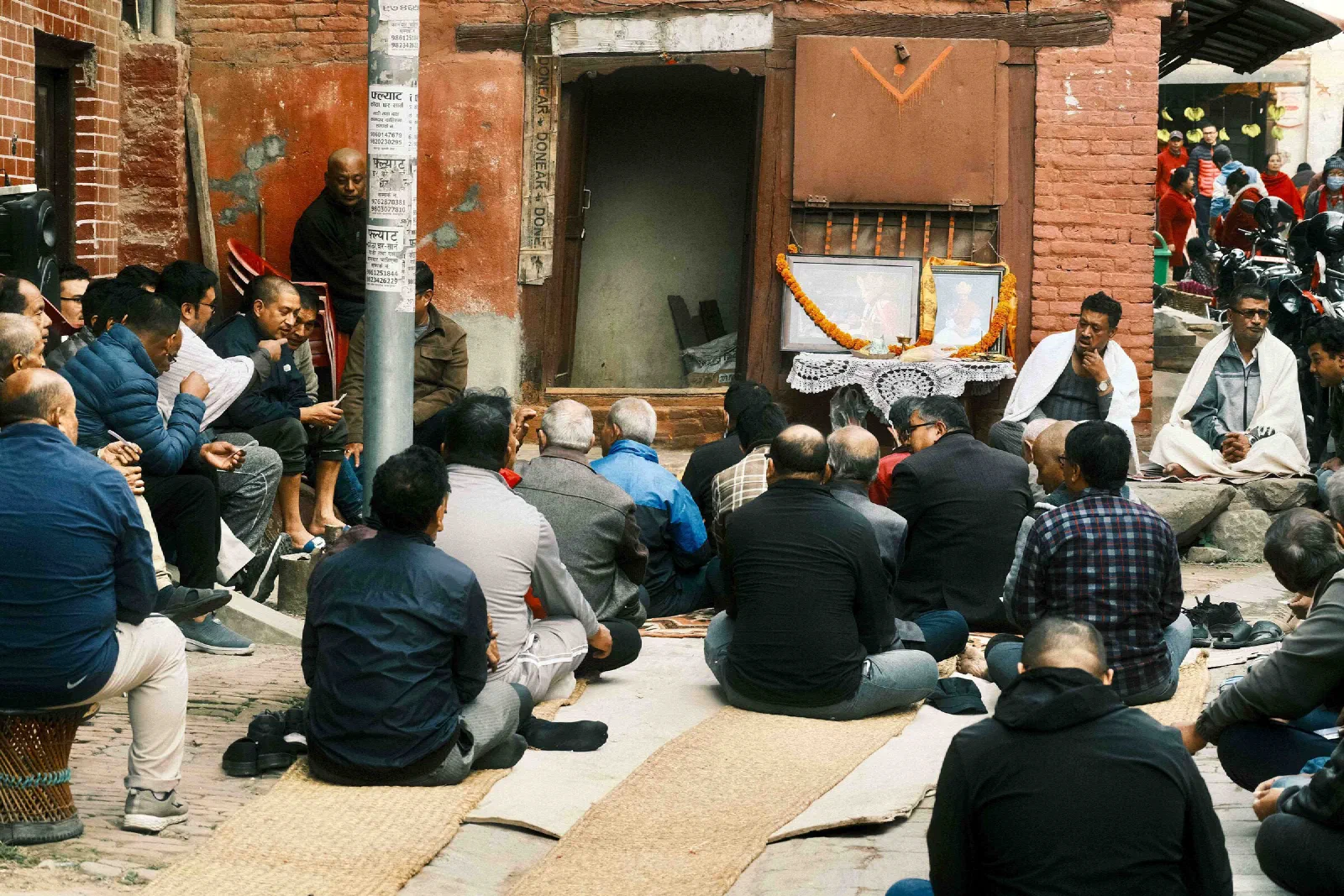
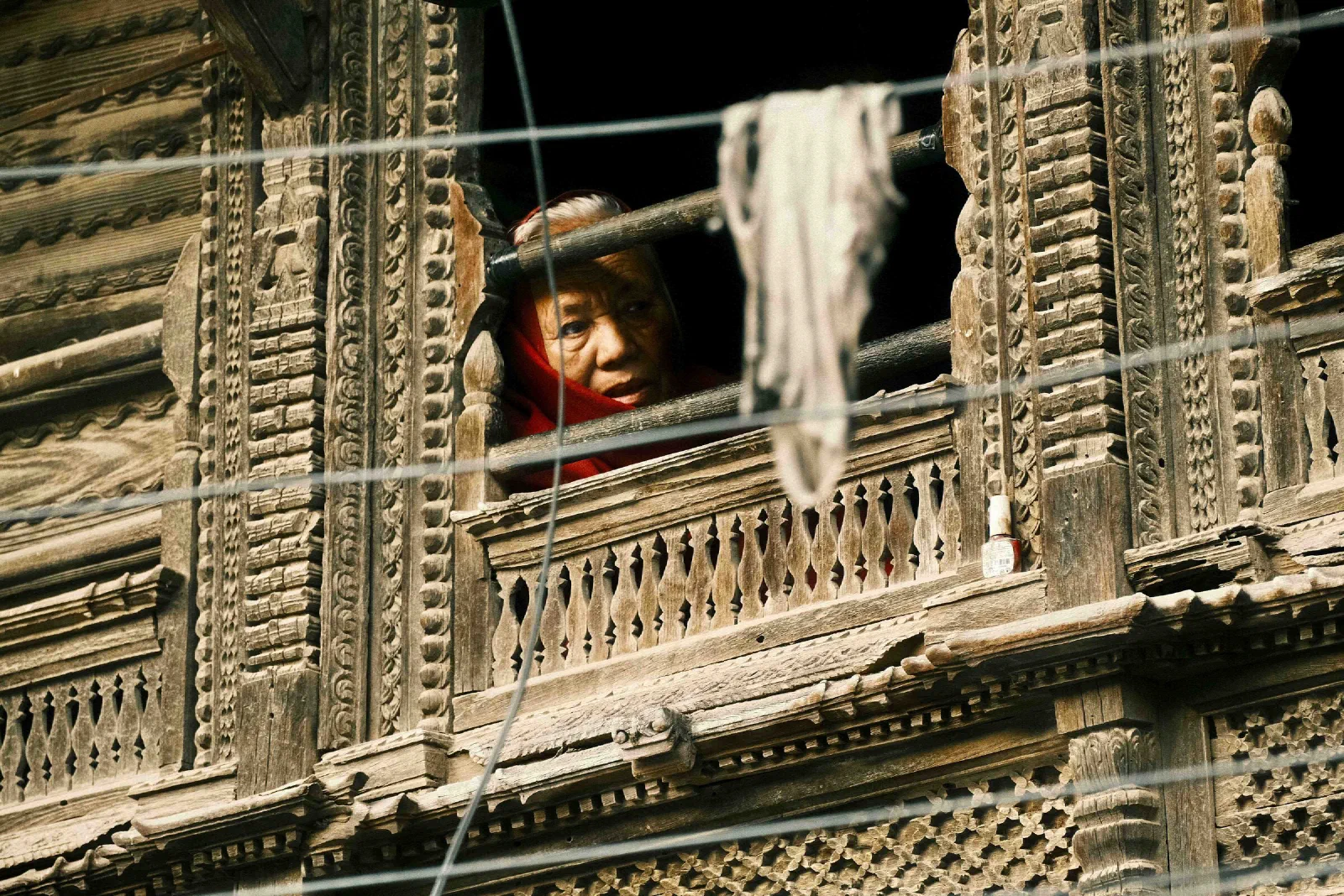
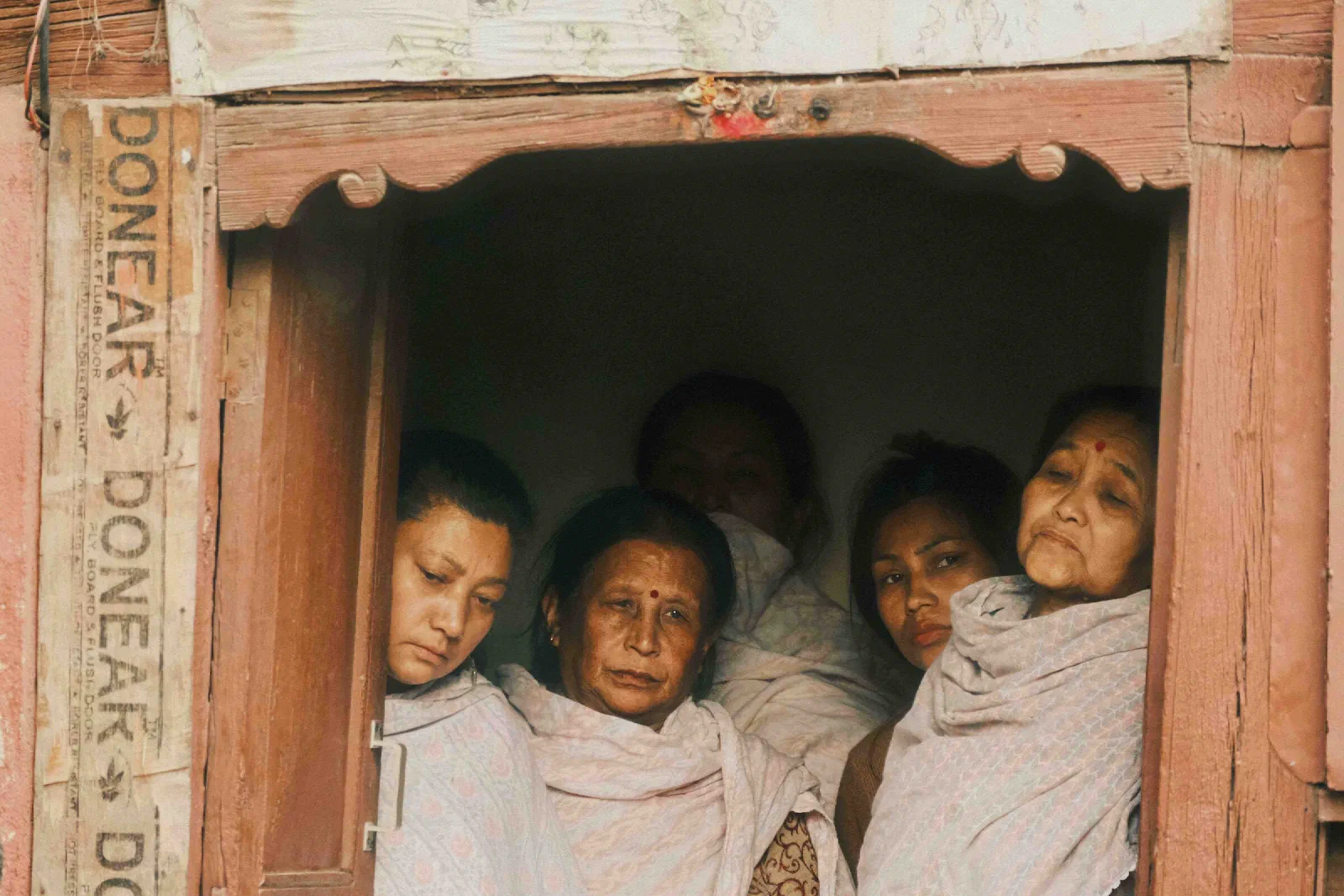
Within the recordings, the sacred and the everyday are not clearly separated. Prayer, labour, play and movement overlap, allowing sound to become a way of approaching lived experience rather than reducing a culture to recognisable symbols.
From Sonic Fragments to Live Composition
The collected recordings were edited, processed and rearranged as material for live electronic composition. Fragments originally separated by time and geography were brought into the same listening space: a chant might emerge from the depth of an alleyway, the rotation of a water wheel might become a rhythmic structure, while the voices of children and animals briefly pass through electronic textures.
The work has no single fixed version. Each presentation is recomposed in response to the space, the movement of sound and the presence of its listeners. Creation therefore becomes not the repetition of a finished composition, but an encounter continually formed in the present.
Sound as a Portal into Memory
Unlike an image, sound does not present a clear boundary for observation. It enters the body from all directions and can evoke emotion, distance and indistinct memory before its source is consciously recognised.
Nepal Chapter approaches distant soundscapes as portals into memory and imagination. Temples, alleyways and villages may belong to another geography, yet their sounds of tenderness, ritual, labour, play and everyday life can still produce a sense of recognition in the listener.
The work does not connect places through their superficial similarities. It considers how sound allows shared human experience to become perceptible within what initially appears unfamiliar.
See also: Undercurrents of Memory
Listen
Field recordings from Nepal, 2023. Track 3 is the final six minutes of the recording. Best heard on headphones.
Credits
- Field Recording / Editing / Live Electronics
- Jez Fang
- Text / Documentation
- Kayo Lu
- Photography
- Jez Fang
- Recording Location
- Nepal
- Presentation Location
- Southern Taiwan
- Year
- 2023
- Medium
- Field recordings, live electronics, immersive listening
- Series
- Undercurrents of Memory/拾夢者的記憶伏流