Listening to Yongxing

聆聽永興

A Community Sound Archive /社區聲音共作計畫
2024–2025 · Yongxing Village and Fanlu Township, Chiayi, Taiwan · Community Sound Project

Listening to Yongxing is a community-based sound and field recording project developed in Yongxing Village, Fanlu Township, Chiayi. Beginning with the sounds of Zhanghu Creek, tea plantations, betel palm forests, everyday village life and the memories of older residents, the project explores how natural soundscapes and lived experience become intertwined.
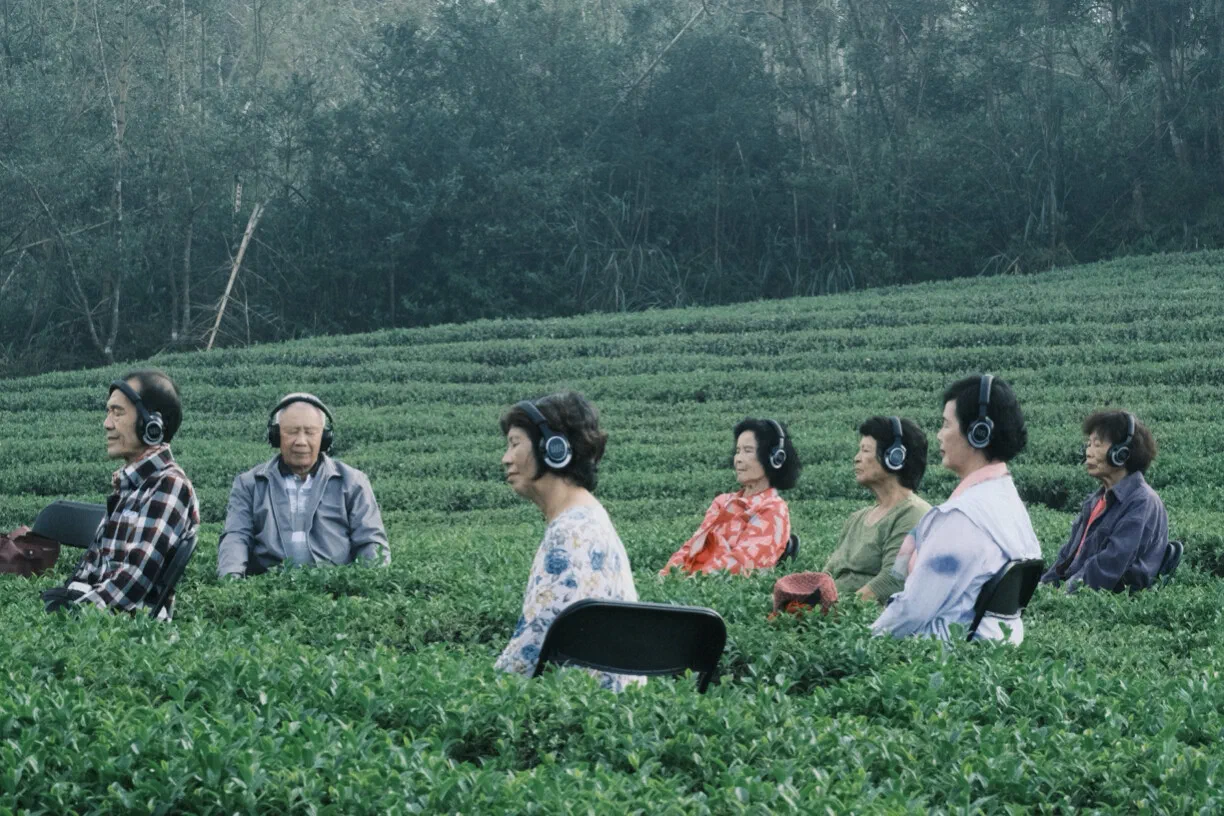
Seven older residents sit in a row in a tea field wearing headphones, eyes forward, with forest and terraced tea rows behind them.

Rather than simply recording the sounds of a place, the project invited residents to participate in deciding how Yongxing might be heard.
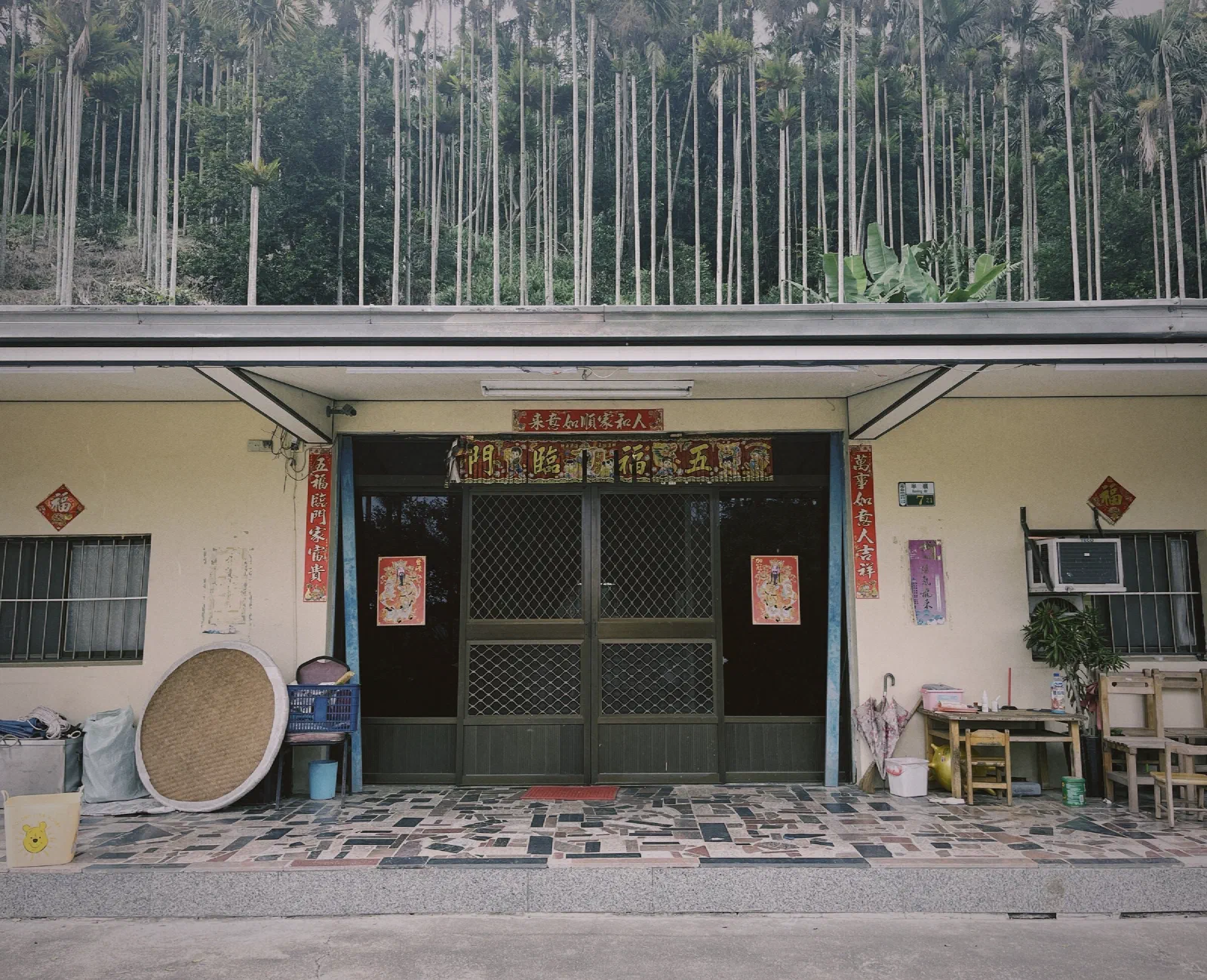
A village house with red New Year couplets and a rice-drying mat leaning by the door, beneath a hillside of tall, slender areca palms.

Sounds of Memory

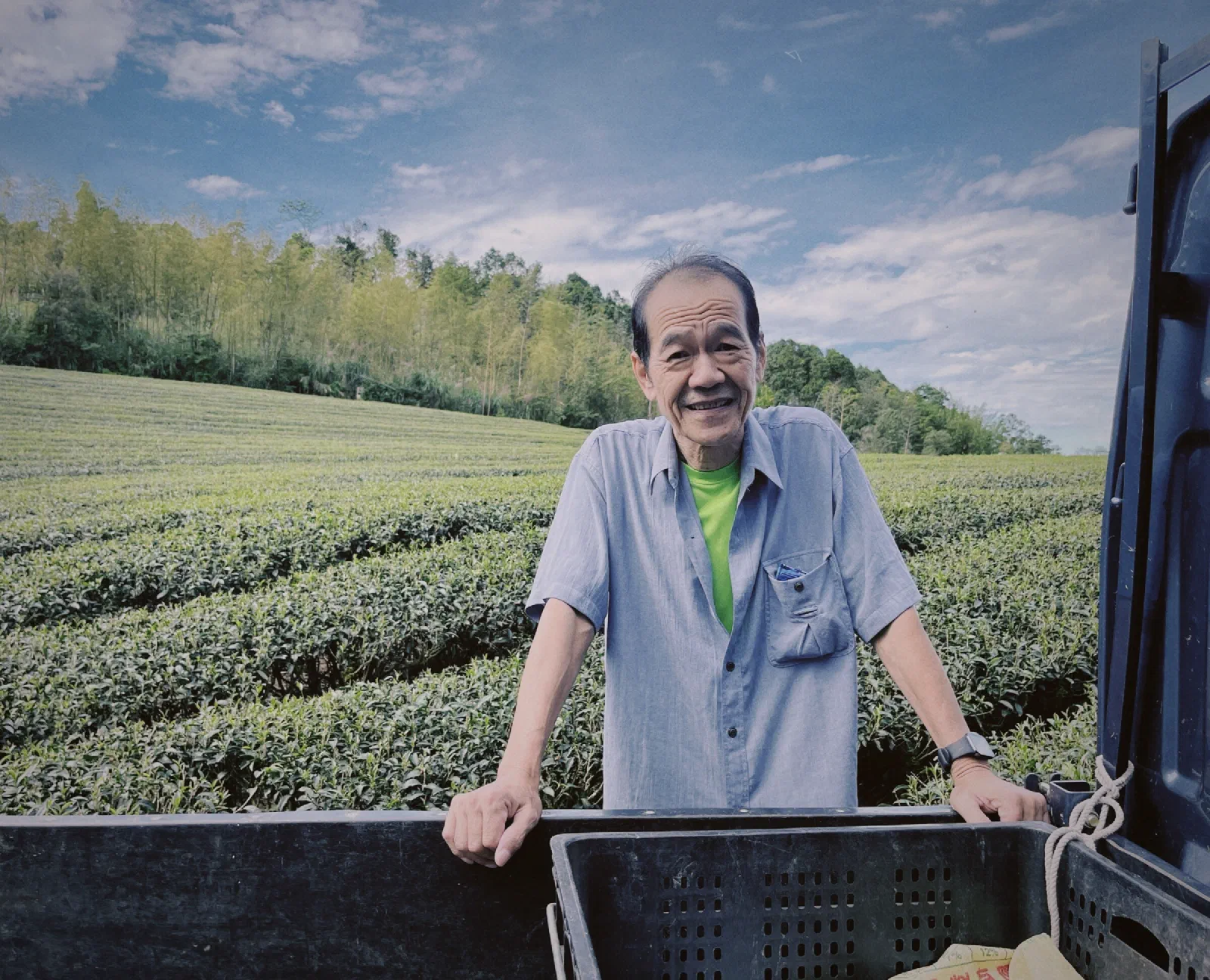
The project worked with older residents through listening, conversation and collaborative sound-making, reconnecting personal memories with the environments in which they were formed.
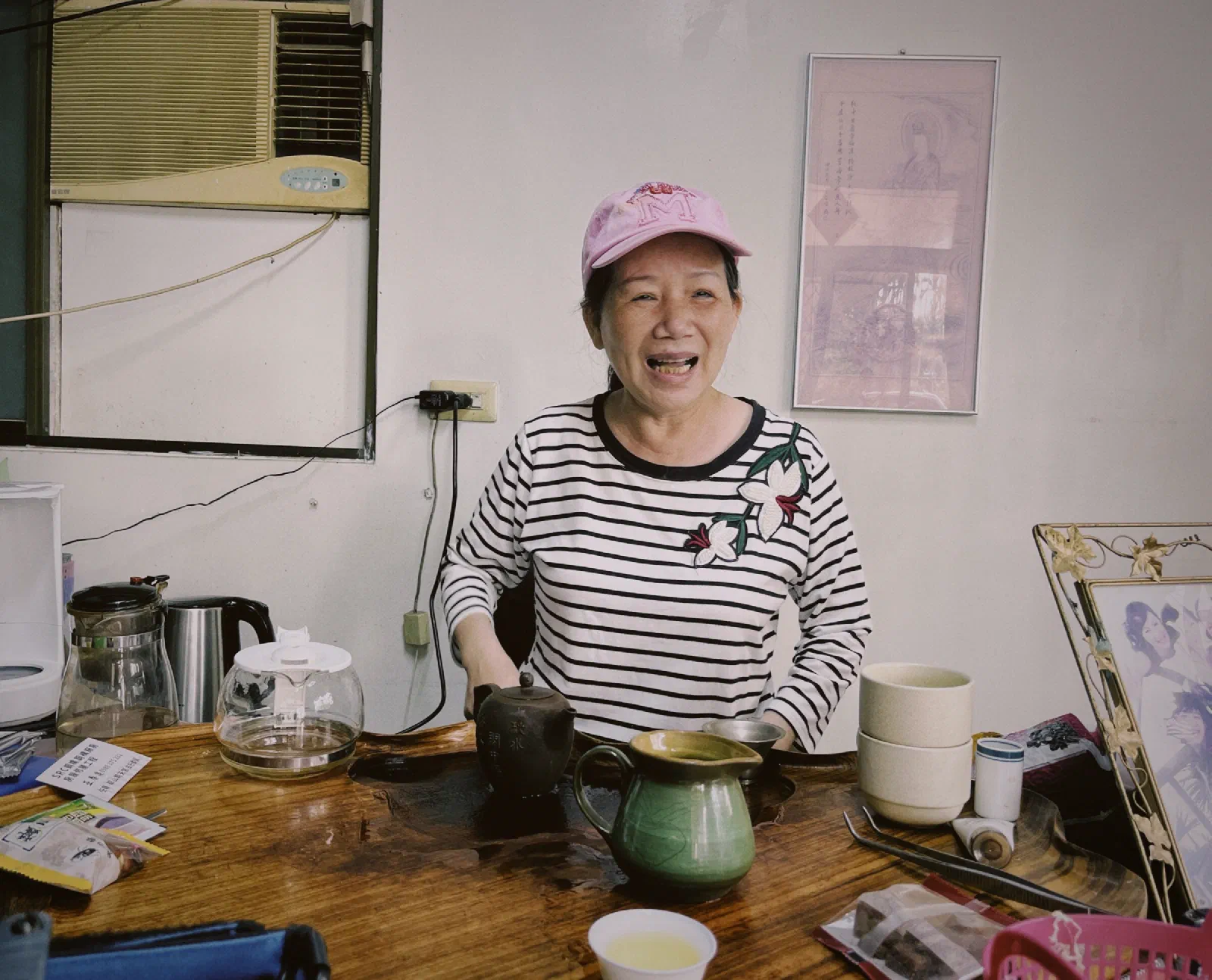
A smiling woman in a pink cap and striped top sits behind a wooden tea table with a teapot, pitcher and cups, an air conditioner and framed picture on the wall behind her.
A smiling older man in a grey-blue shirt leans on the side of a truck bed, with rows of tea bushes and bamboo groves behind him.

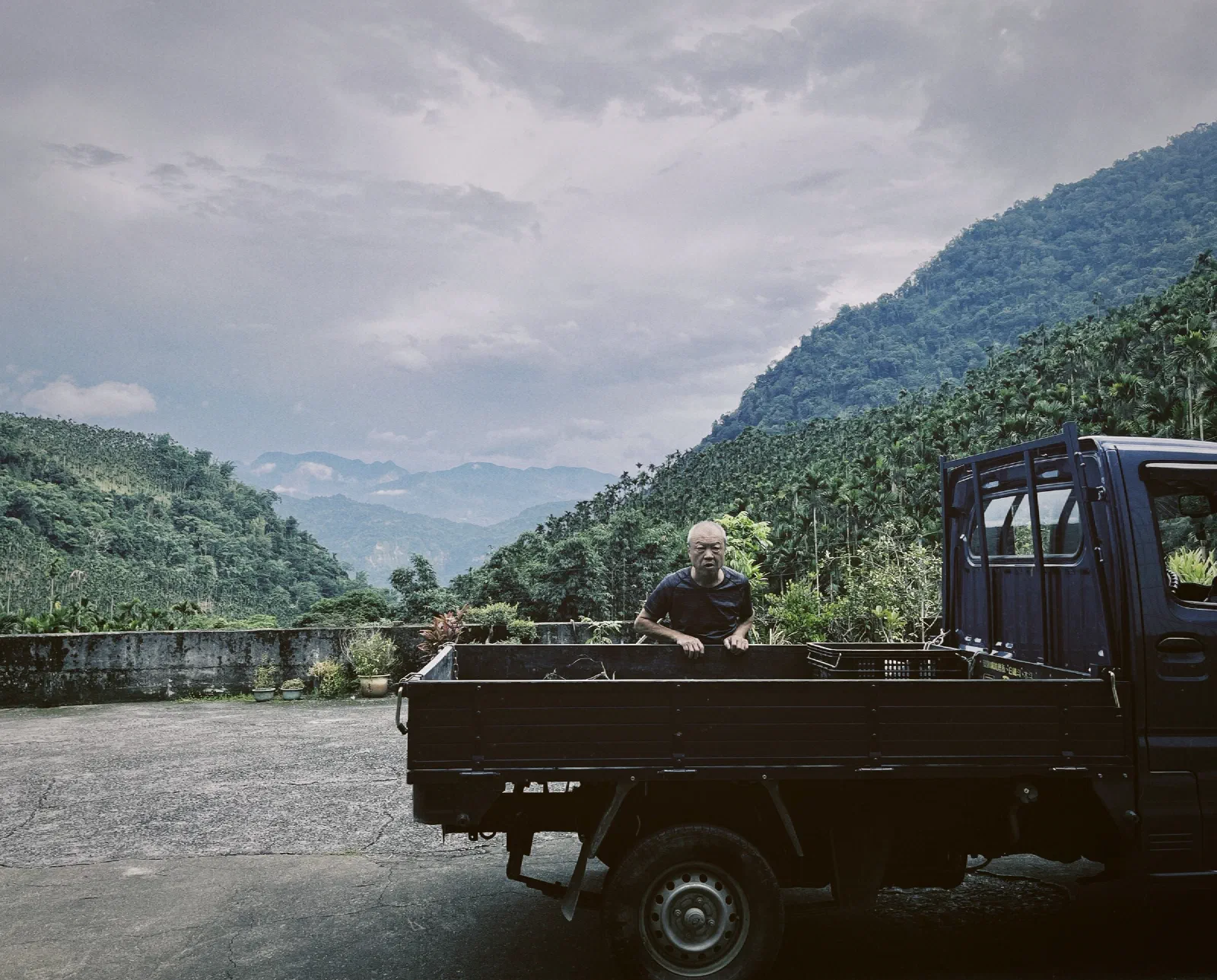
Participants shared accounts of everyday life, labour and local change. Their voices were approached not only as historical information, but as acoustic material carrying accents, pauses, breath and forms of expression that cannot be fully preserved through written documentation.
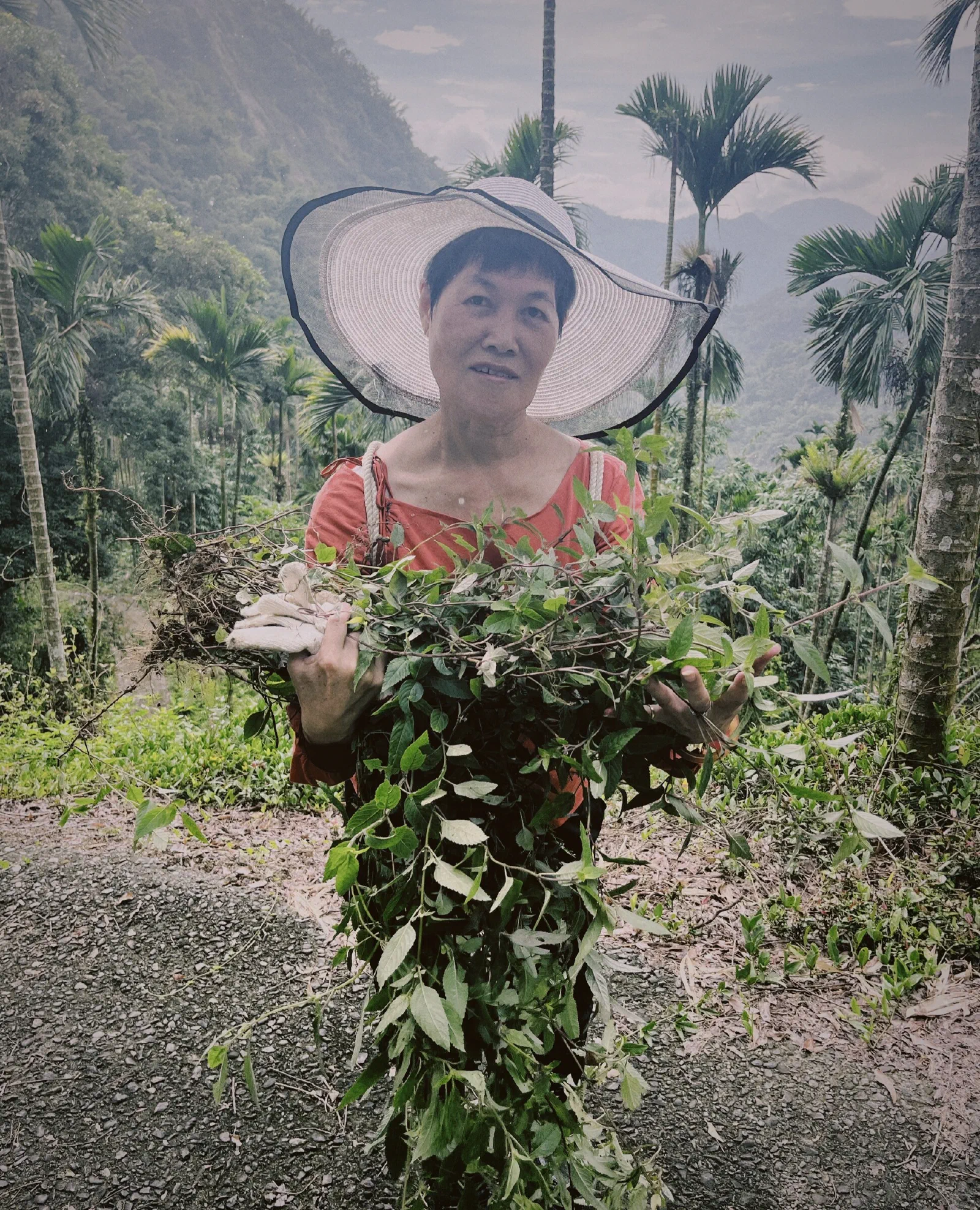
A woman in a wide-brimmed sun hat holds a large armful of leafy herbs on a hillside road among areca palms and misty mountains.
A man looks over the side of a dark pickup truck on a concrete yard, with areca-covered mountains and cloudy sky behind.
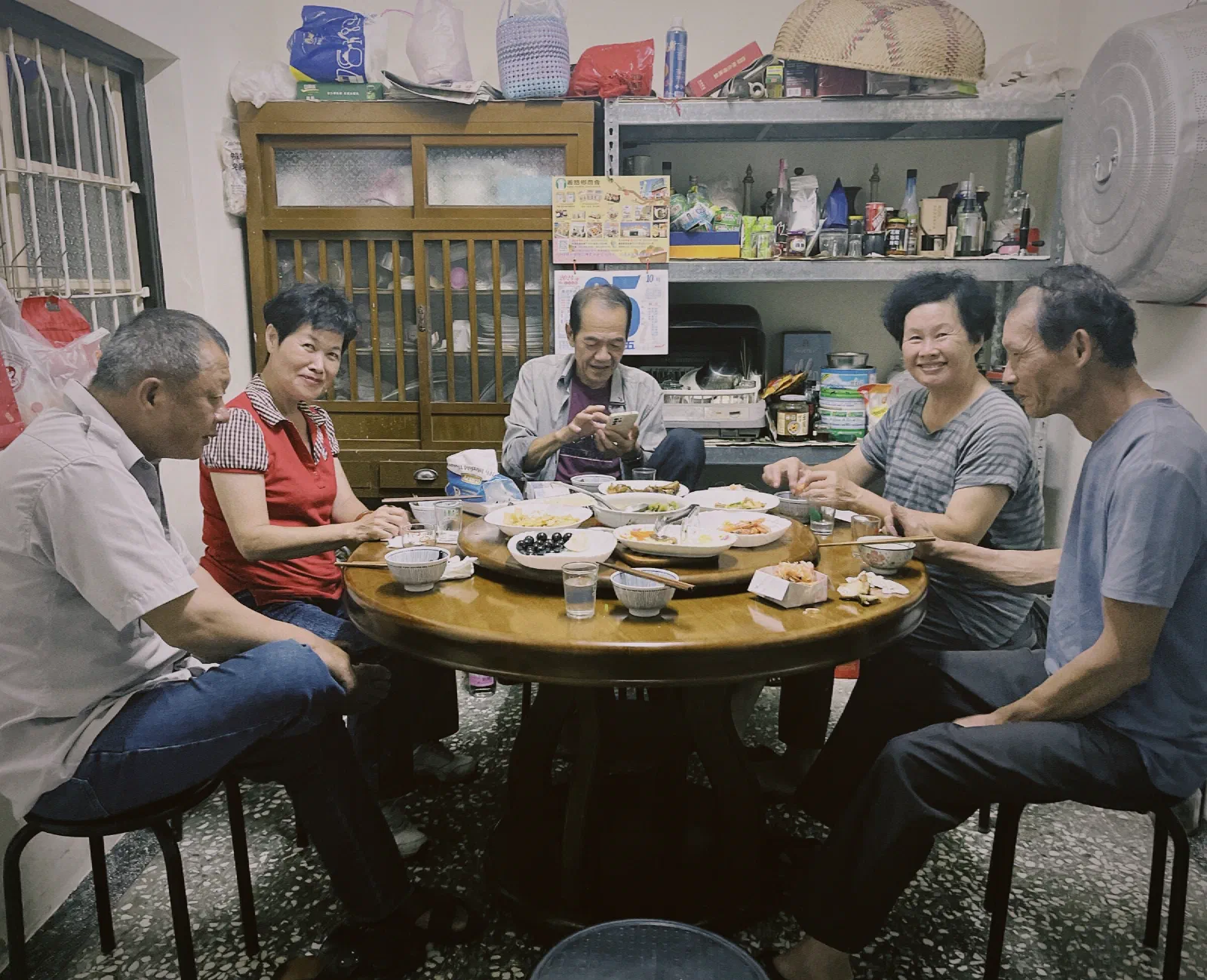
Five villagers sit around a round table with dishes at home, two of them smiling at the camera, with a wooden cabinet and shelves of jars behind.

Sound became a bridge between generations, allowing individual memories to enter a shared space of listening.
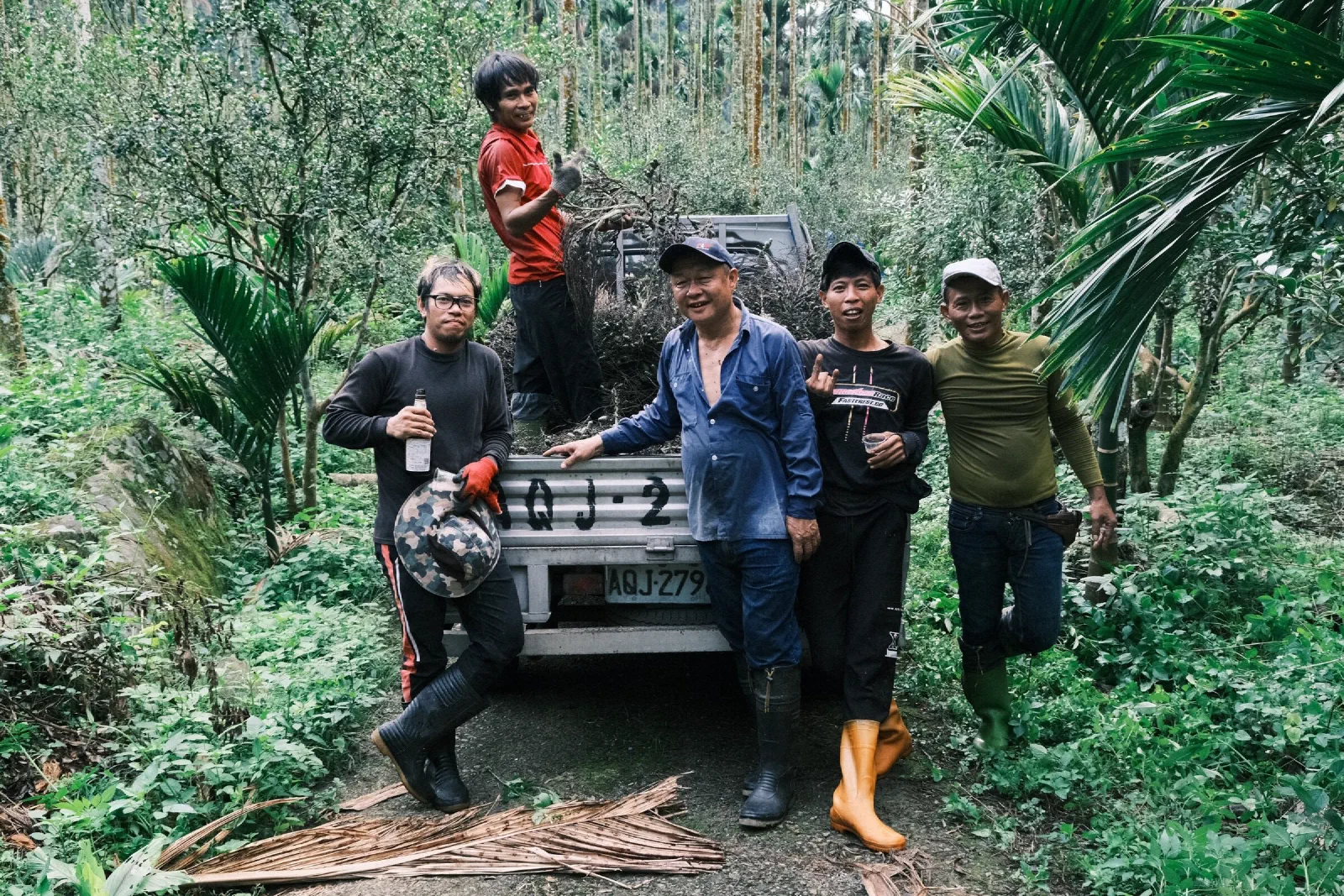
Five workers pose beside a small truck loaded with areca fronds in a green grove, in rubber boots, one holding a bucket hat.

Echoes of the Land

Field recording took place throughout Yongxing Village and the surrounding landscape of Fanlu Township, including Zhanghu Creek, nearby streams and waterfalls, tea plantations, betel palm forests and sites of everyday activity.
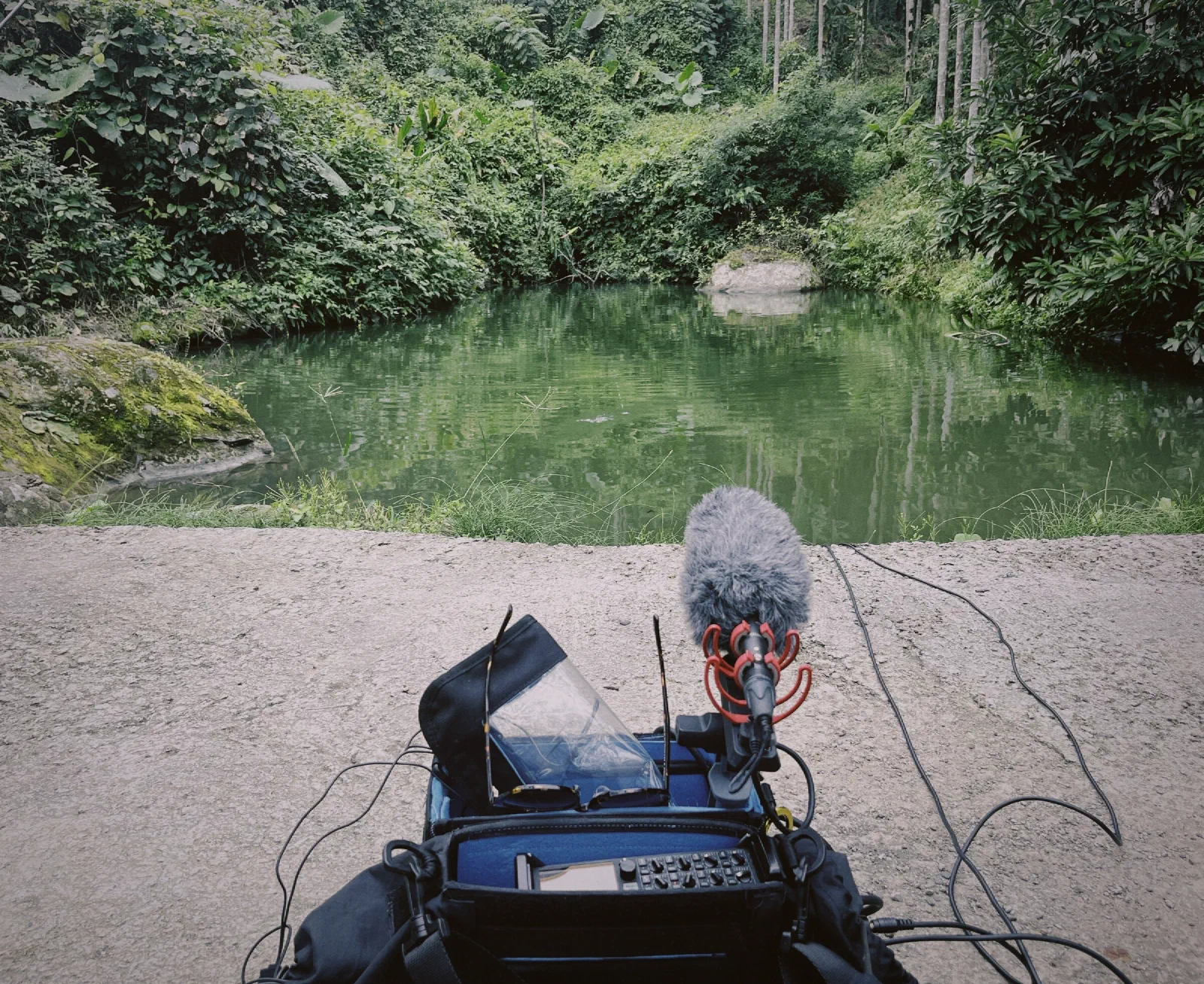
A field recorder in its bag with a windshielded microphone sits on a concrete path facing a still green pool ringed by dense forest and areca palms.
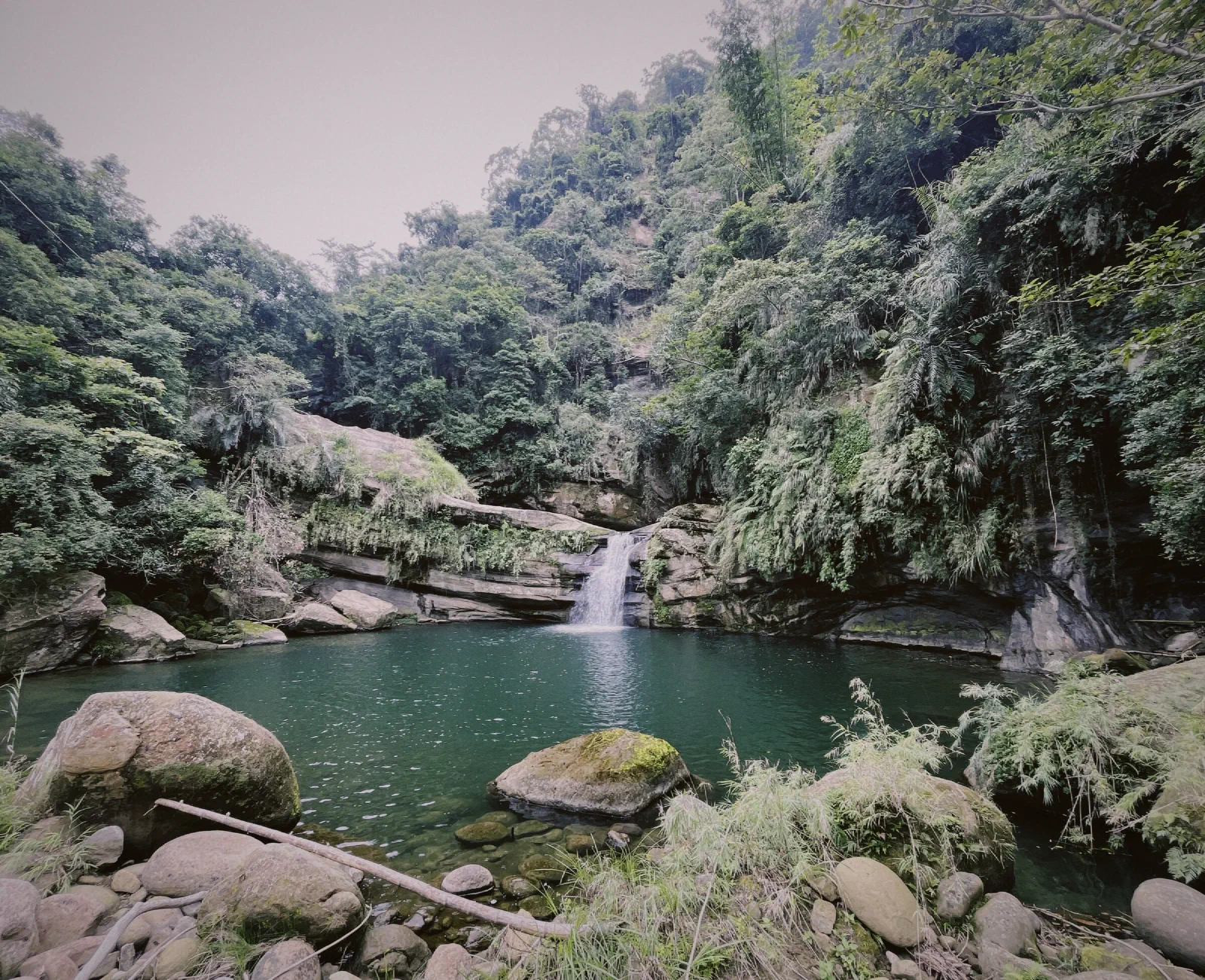
A small waterfall drops into a deep green pool among mossy boulders and steep, fern-covered rock walls.

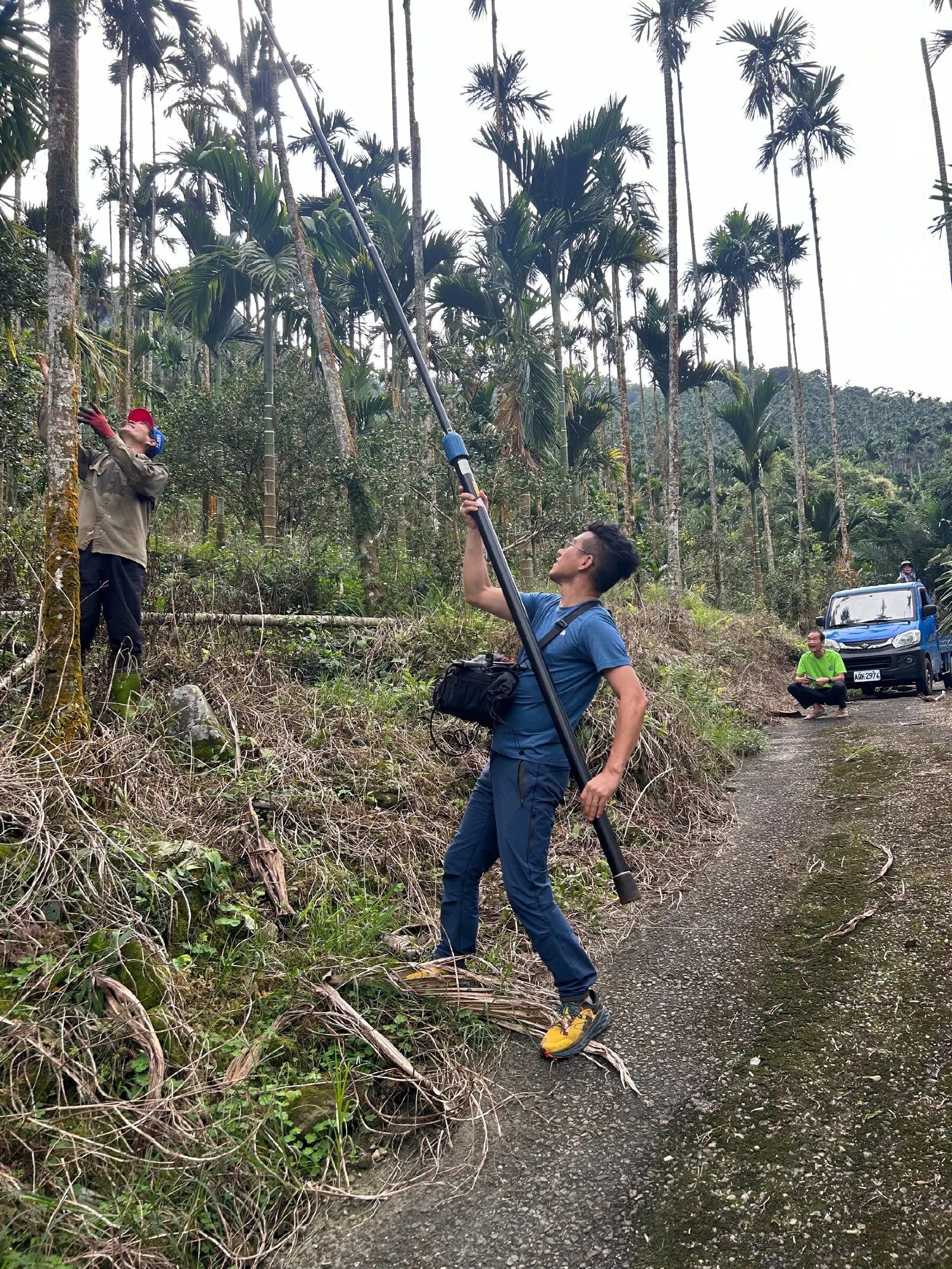
Participants learned not only to record environmental sounds, but to listen to how water responds to terrain, how agriculture reshapes the acoustic environment and how human labour enters the ecological rhythms of a place.
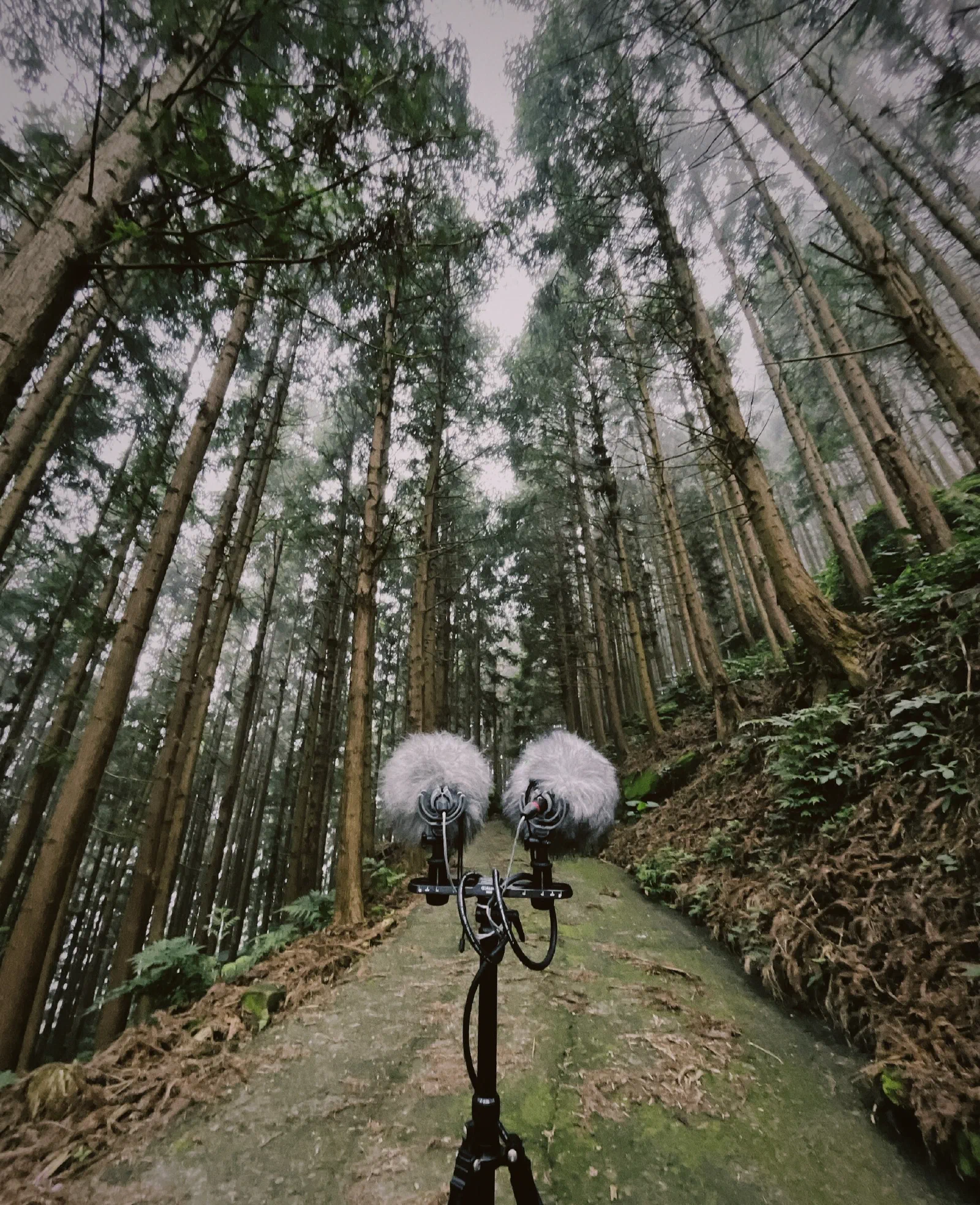
Two windshielded microphones on a stereo bar and tripod stand on a mossy track between tall, straight cedar trees.
A person in blue holds a long microphone boom pole up toward areca palms, while another person reaches up beside a palm trunk and a villager crouches near a blue truck.
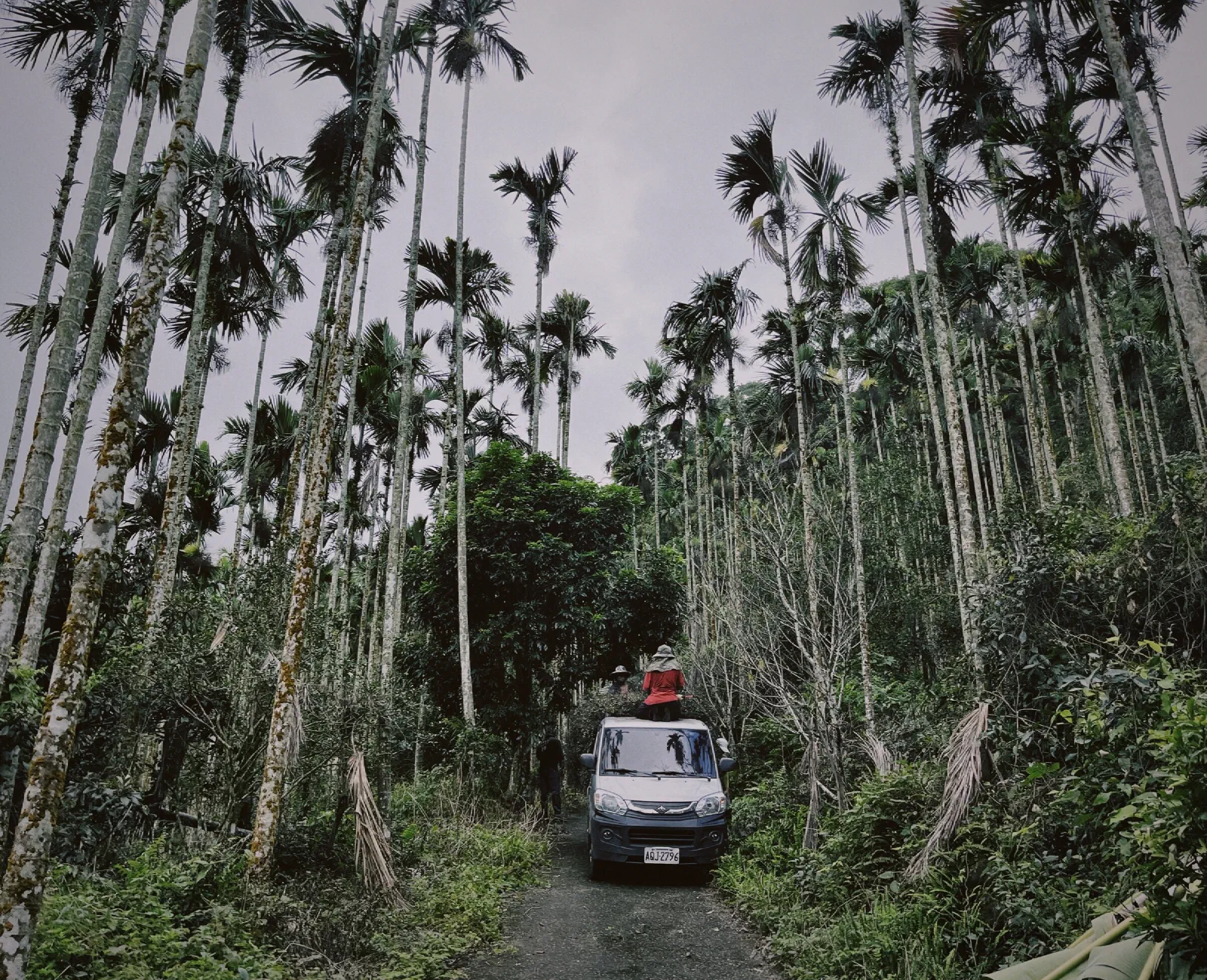
A small van on a forest track between very tall areca palms, with a person in a red top seated on its roof.
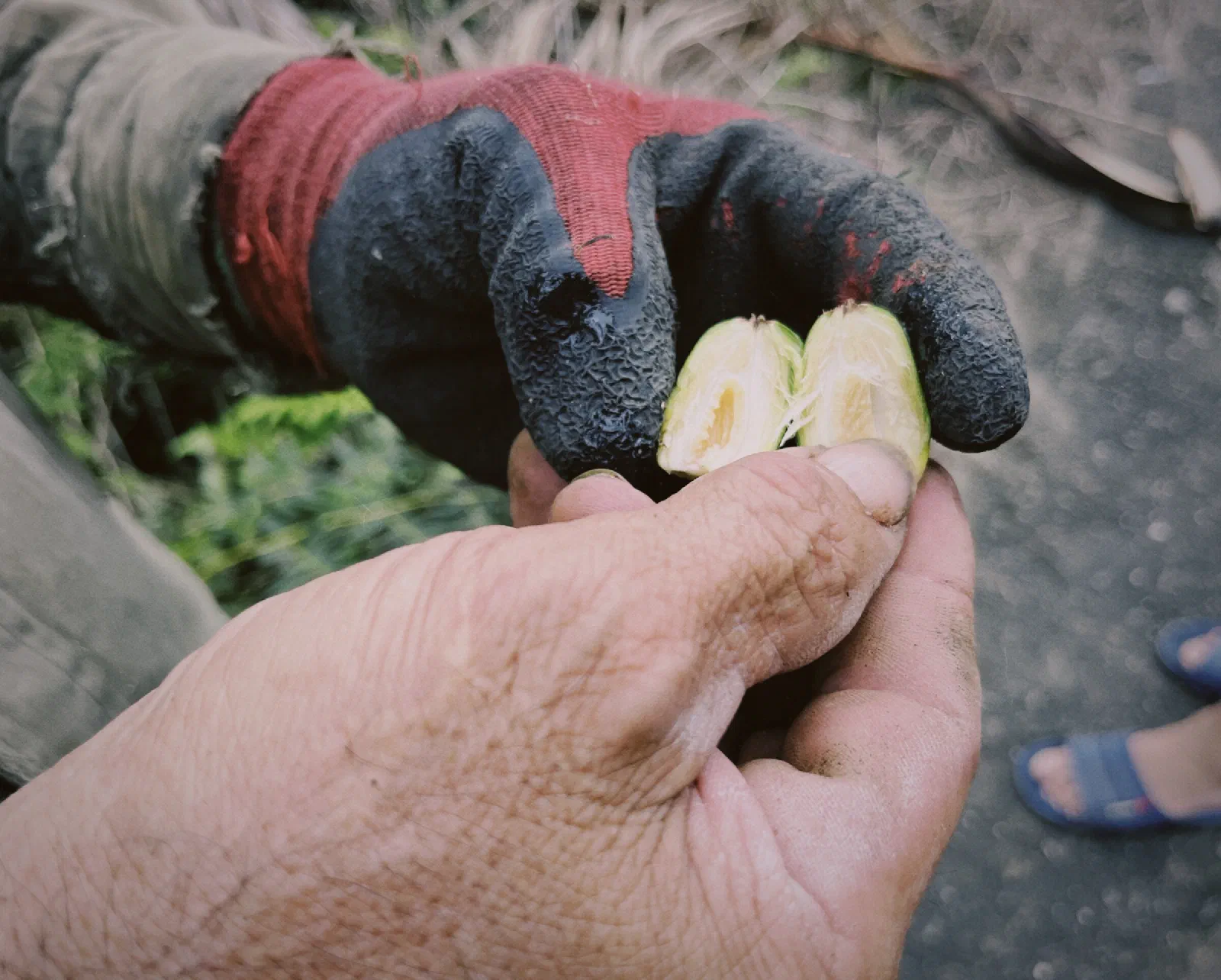
One hand in a worn work glove and one bare hand hold an areca nut cut in half, showing its pale interior.
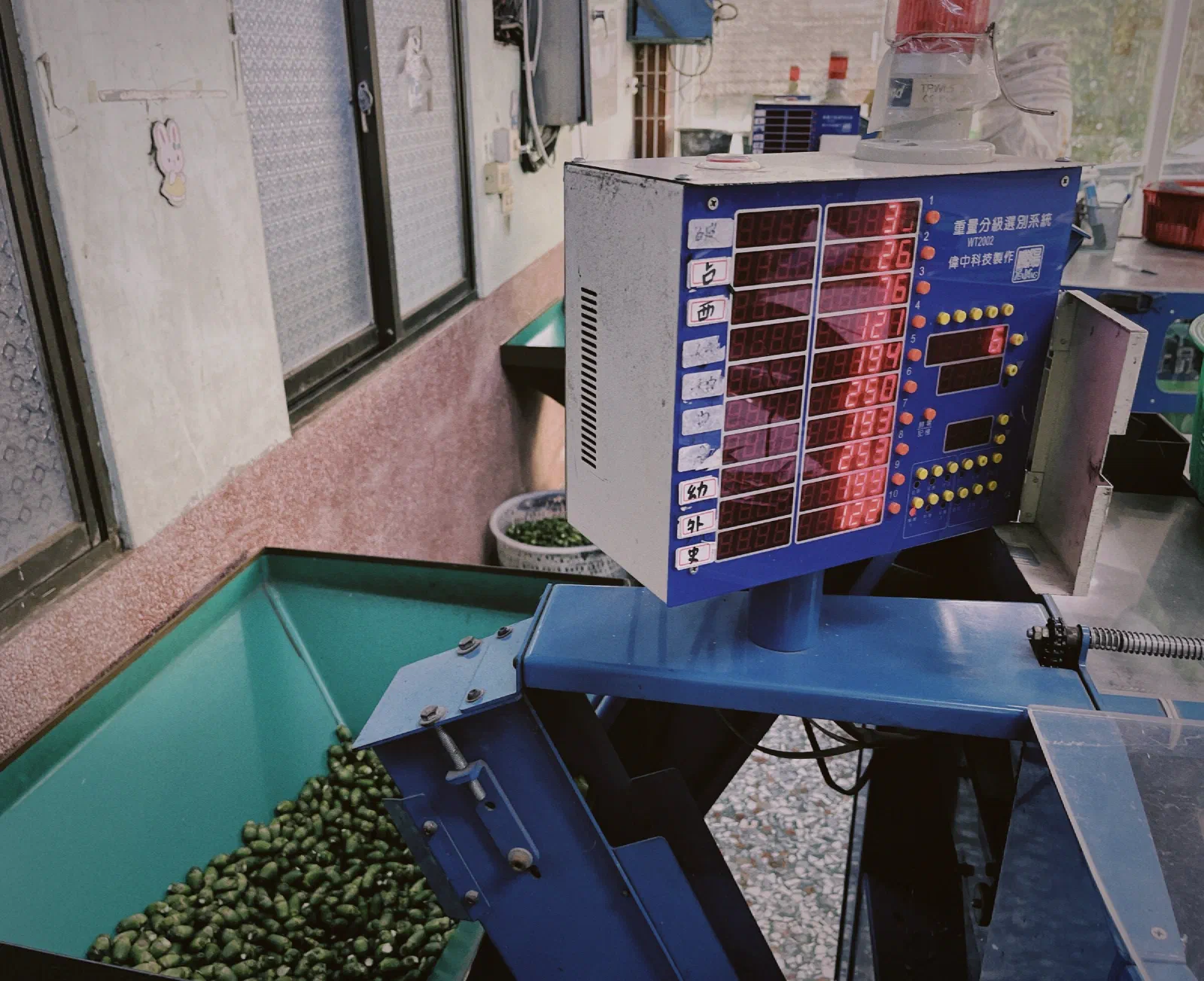
A round blue sorting machine with numbered chutes and hoses leading into large sacks of areca nuts, with handwritten paper slips on top and small microphones attached to its side.
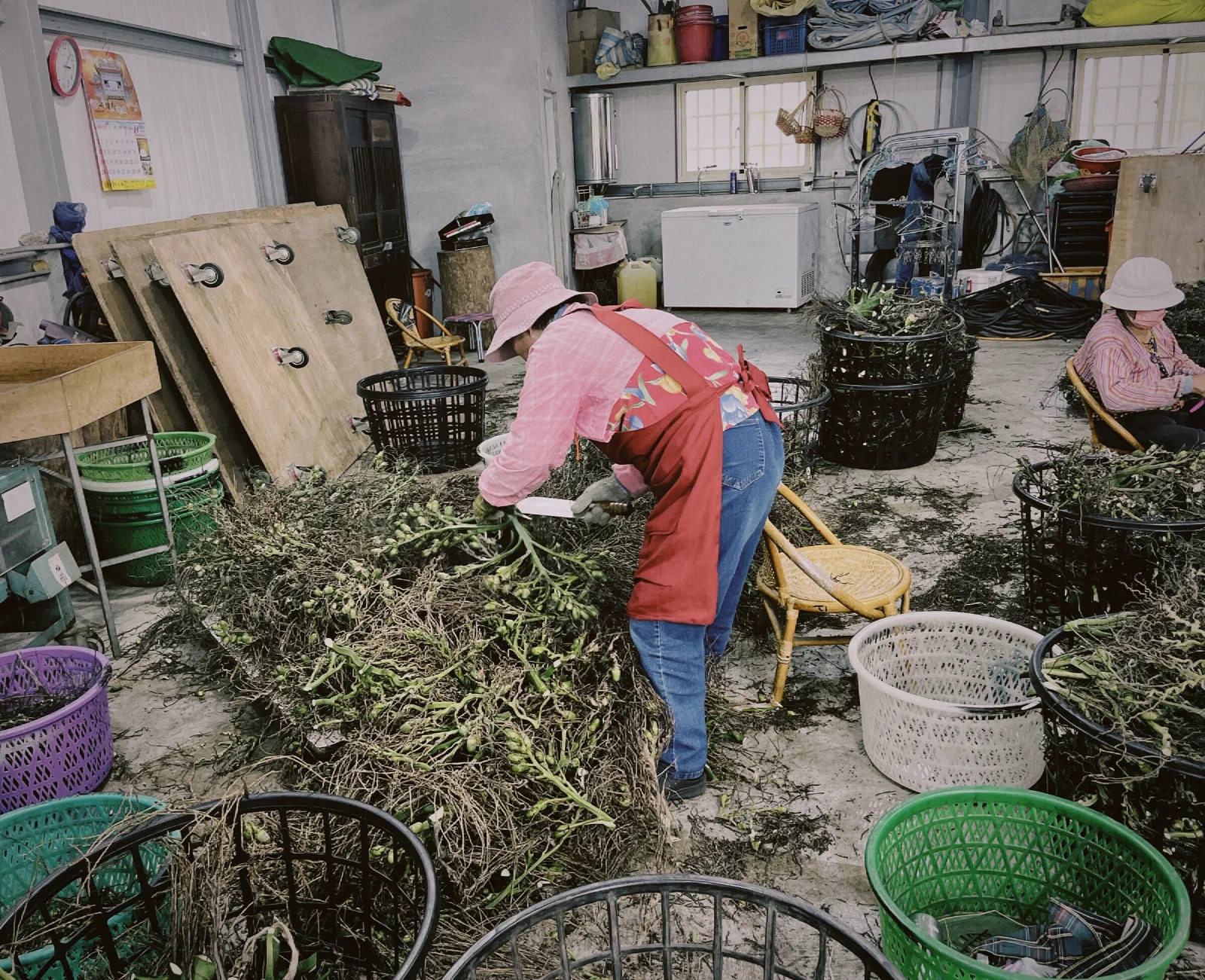
A woman in a pink hat and red apron bends over a heap of areca stems in a workshop full of baskets, cutting nuts free.

Through this process, the land ceased to function merely as a backdrop. It emerged as an active collaborator carrying its own durations, changes and responses.
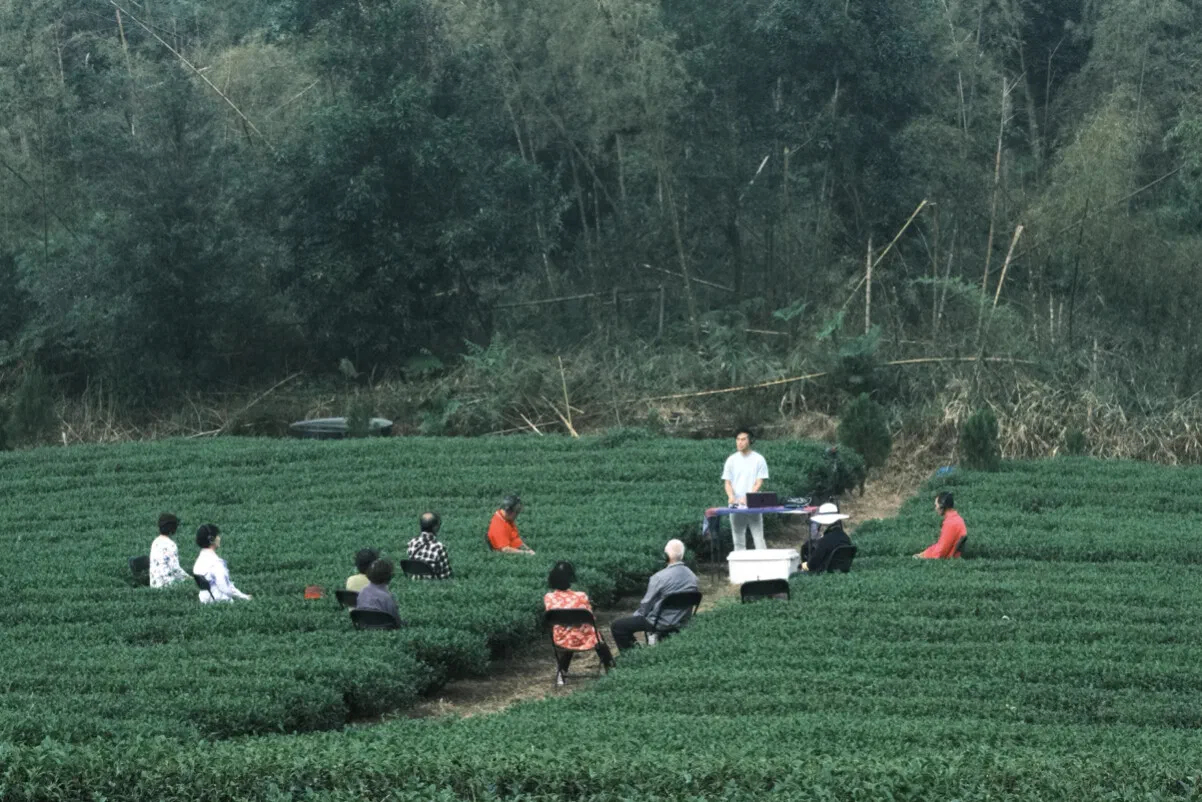
Residents sit on folding chairs in a circle among tea plants, with a person standing at a small table with a laptop in the centre and forest behind.

Collaborative Process

The project developed through three interconnected stages:

Sounds of Memory. Older residents shared stories and lived experiences, transforming oral histories, language and everyday sounds into creative material.

Echoes of the Land. Participants entered the surrounding environment to record its soundscape and reconsider their sensory relationship with the land.

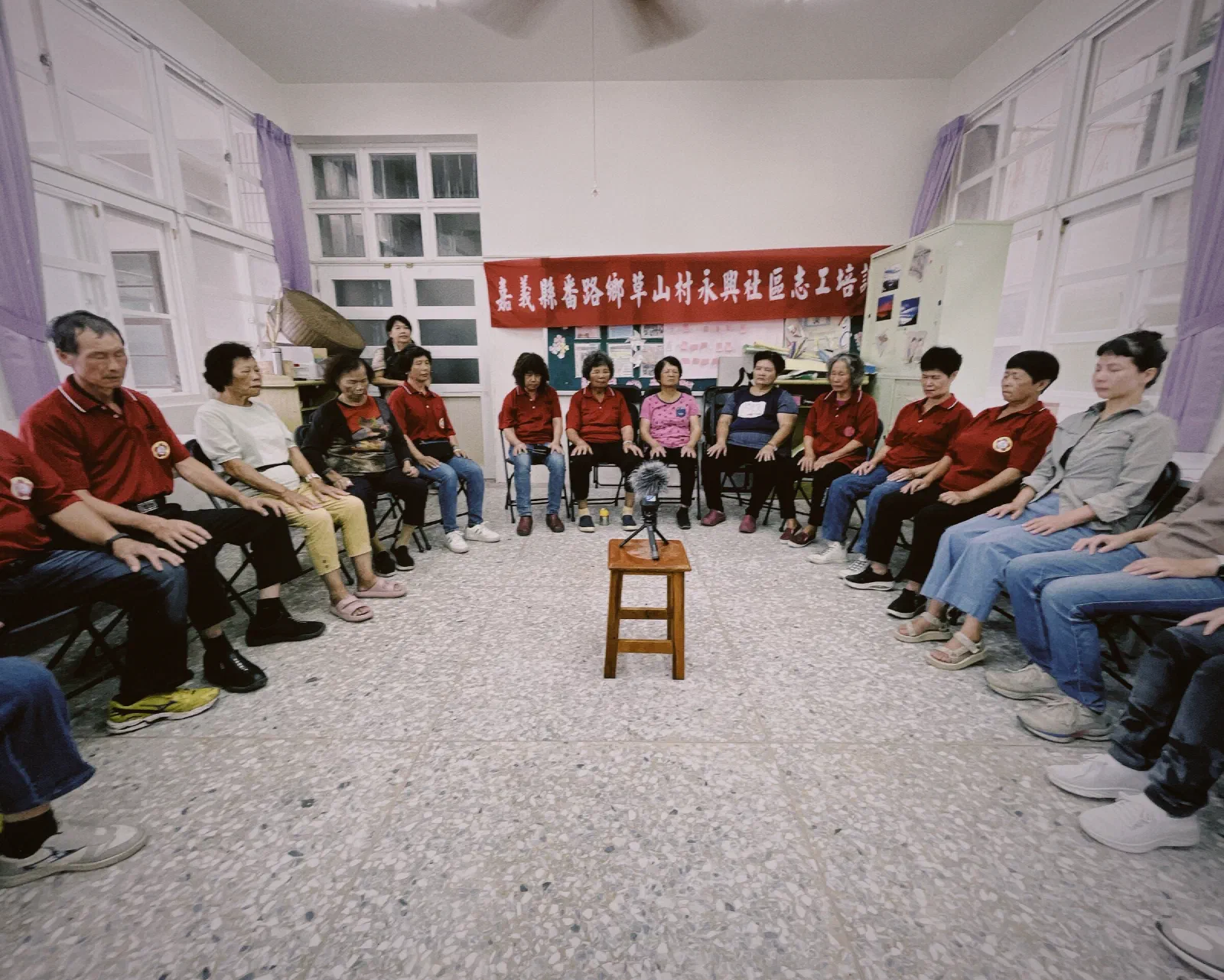
Resonance. Through improvisation and collective sound-making, community voices, local narratives and natural recordings were brought into a shared composition.
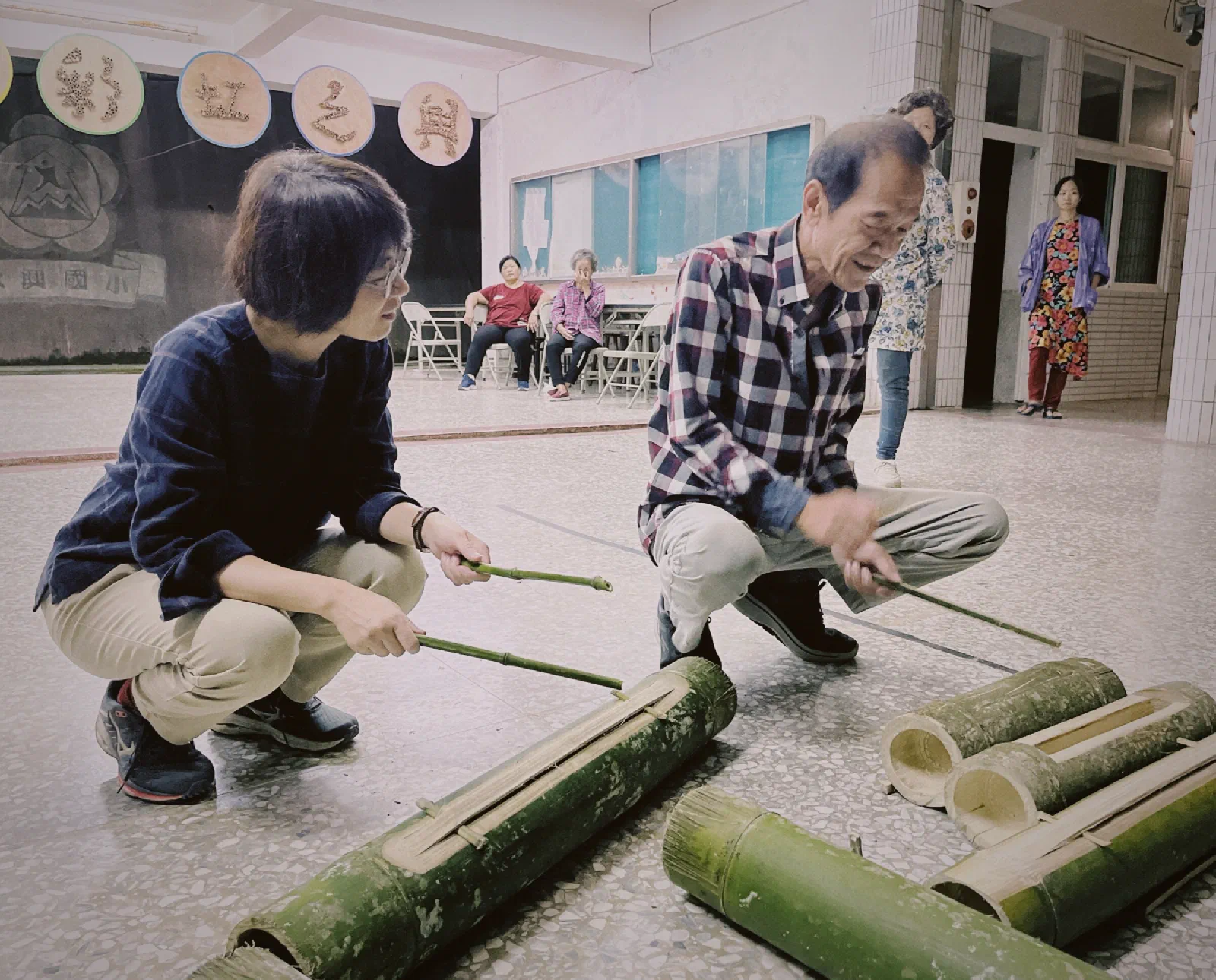
Two people crouch and strike split bamboo tubes with thin sticks in a school hall, while others sit and watch behind them.
Residents in red shirts and other clothes sit in a wide circle in a community room with eyes closed and hands on their knees, a microphone on a stool at the centre and a red banner behind.
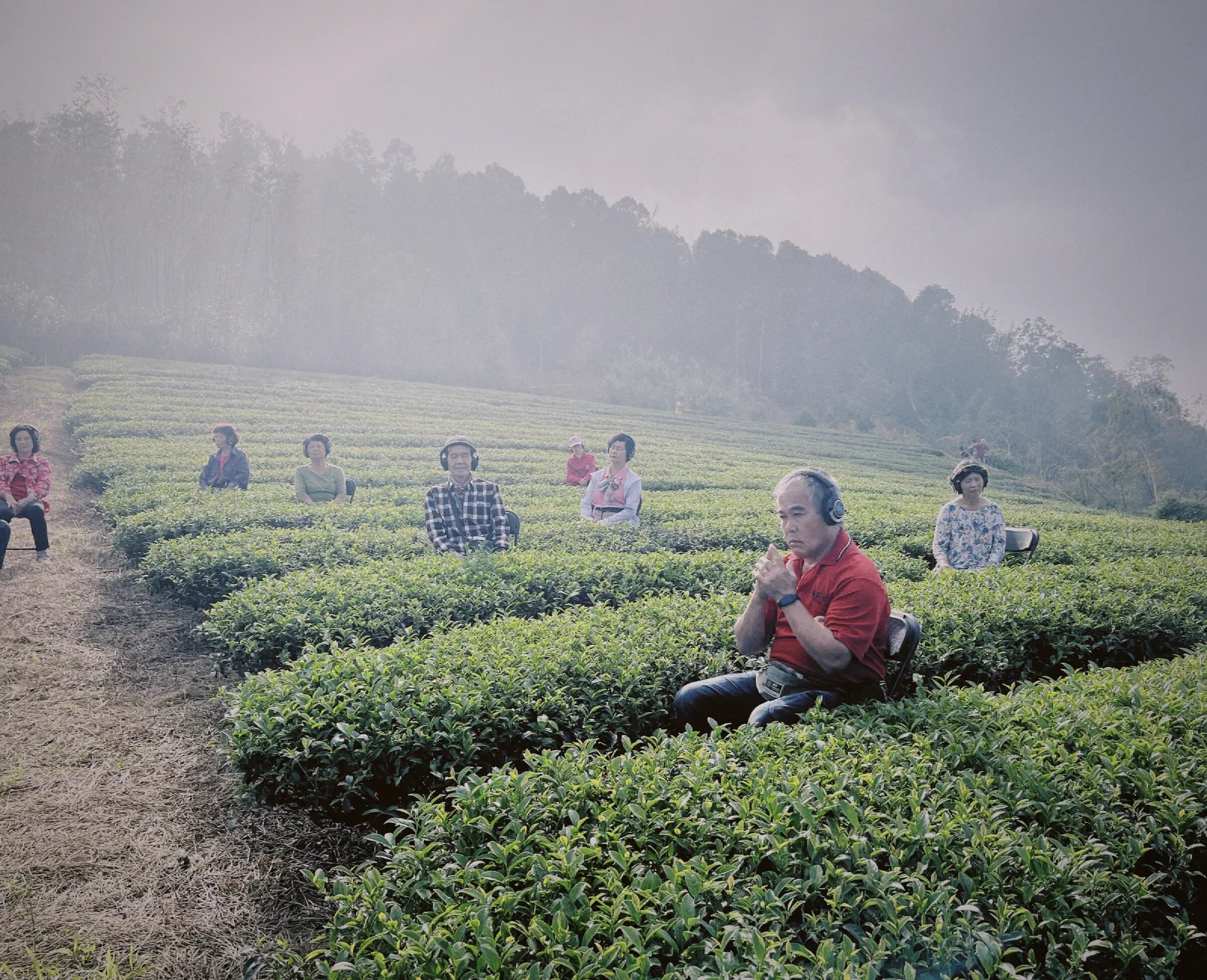
Residents sit on chairs among rows of tea bushes in mist, wearing headphones, one man in a red shirt in the foreground with his hands together.

Together, these stages formed a movement from personal memory to environmental listening and, finally, collective creation.

Community Sound Archive and Exhibition

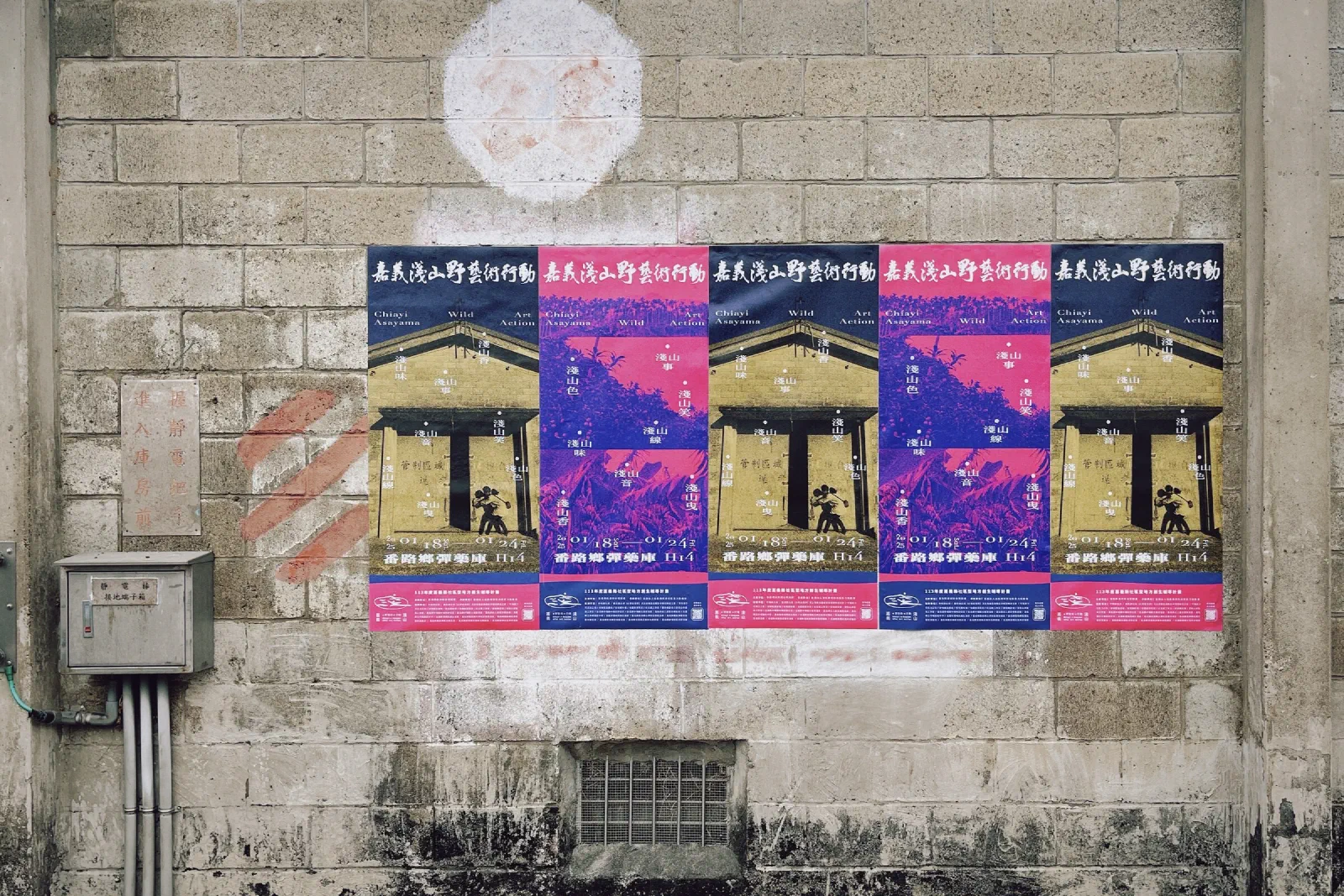
The field recordings, oral histories and materials generated through the collaborative process were edited and mixed into sound and moving-image works. They were presented from 18 to 24 January 2025 at Ammunition Depot H14 in Fanlu Township as part of the Chiayi Asayama Wild Art Action exhibition.
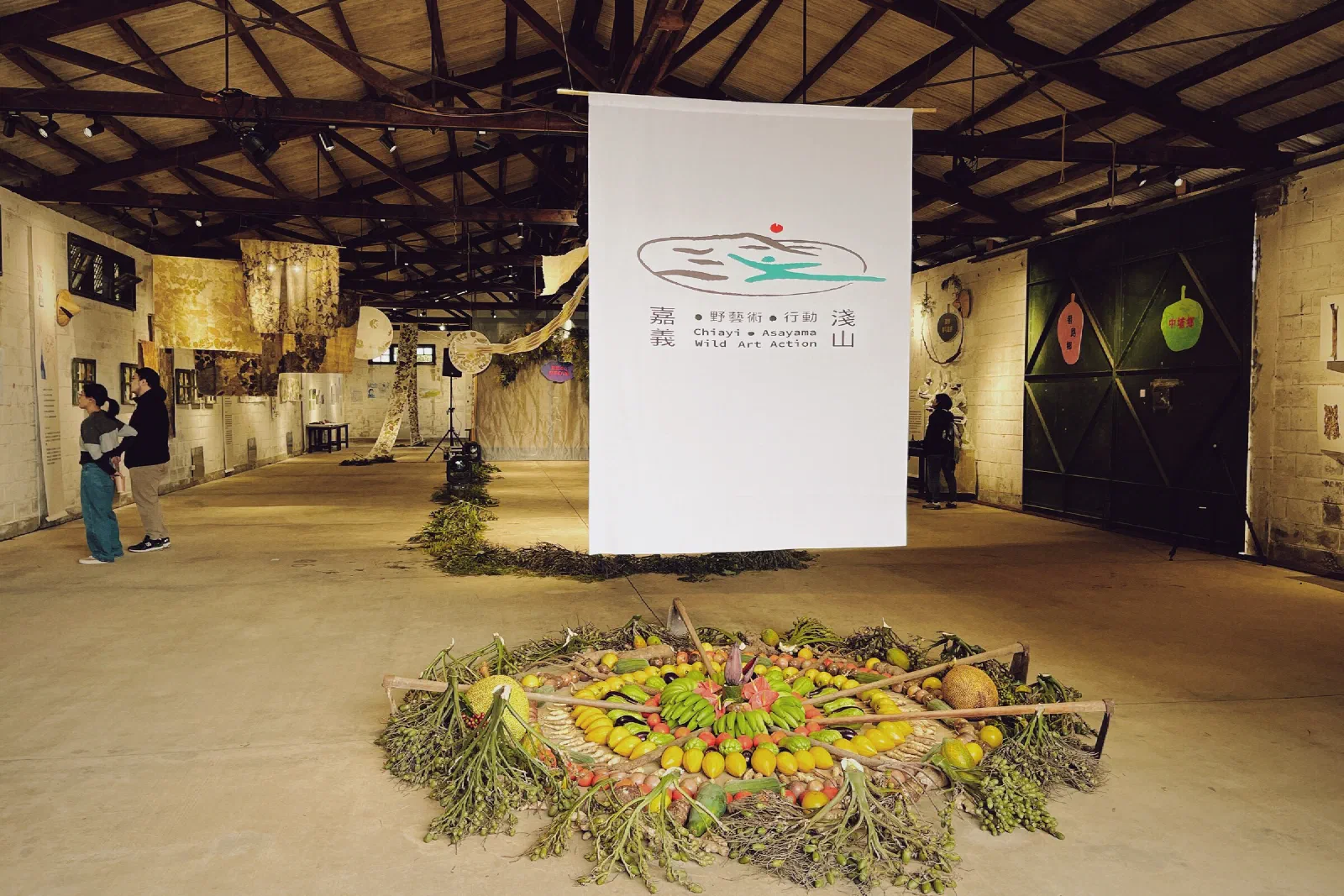
Inside a former ammunition depot with timber roof trusses, a large white banner for the Chiayi Asayama Wild Art Action hangs above a circular arrangement of fruit, vegetables and plants on the floor, with visitors and hanging textile works along the walls.
Five colourful posters for the Chiayi Asayama Wild Art Action exhibition pasted in a row on a weathered brick wall.

The work brought the sounds of Zhanghu Creek, tea plantations, betel palm forests and local residents into the former military space. Rather than presenting a fixed portrait of the village, the exhibition revealed the relationships gradually formed between the community, the land and the artist through collective listening.
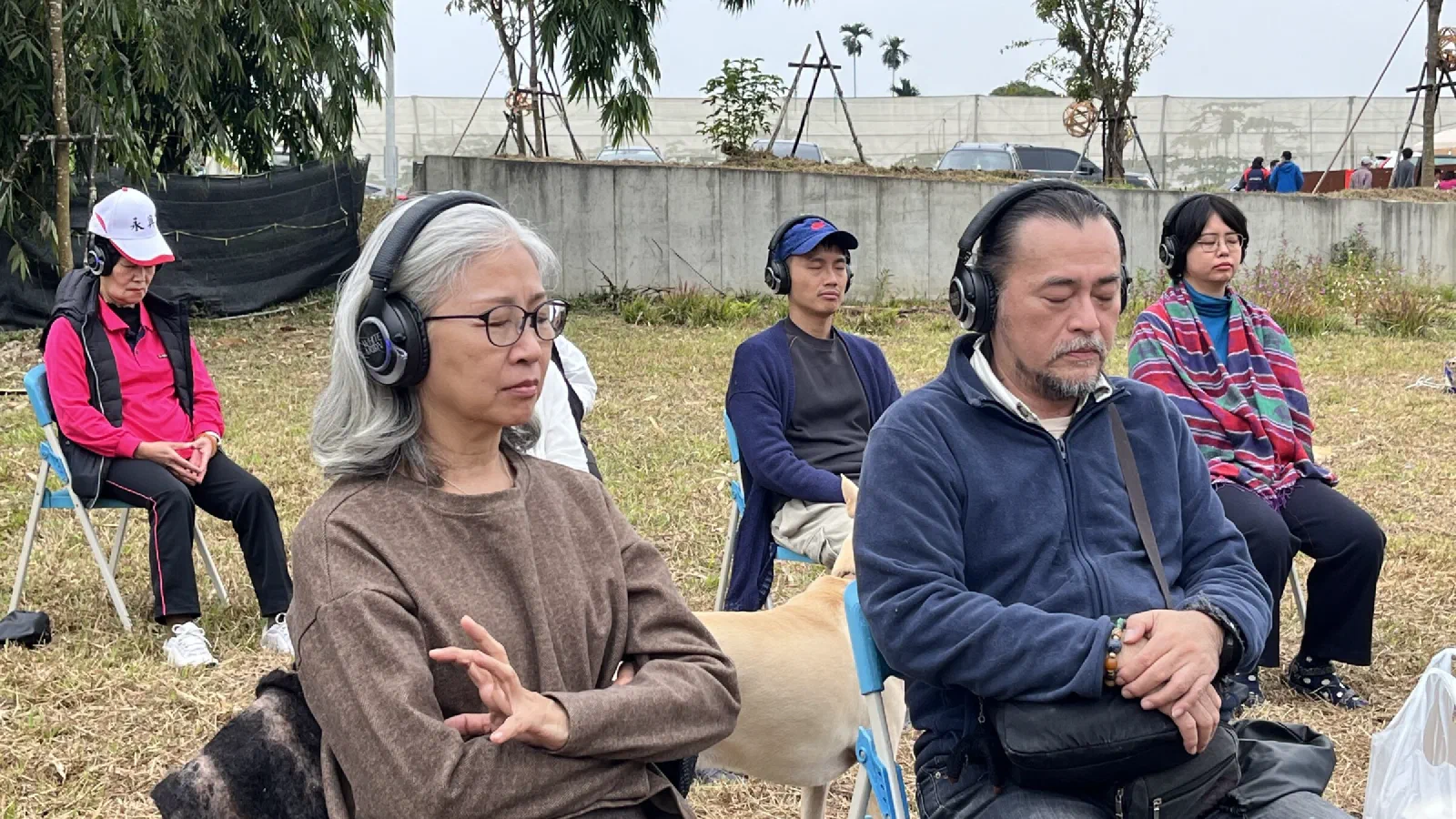
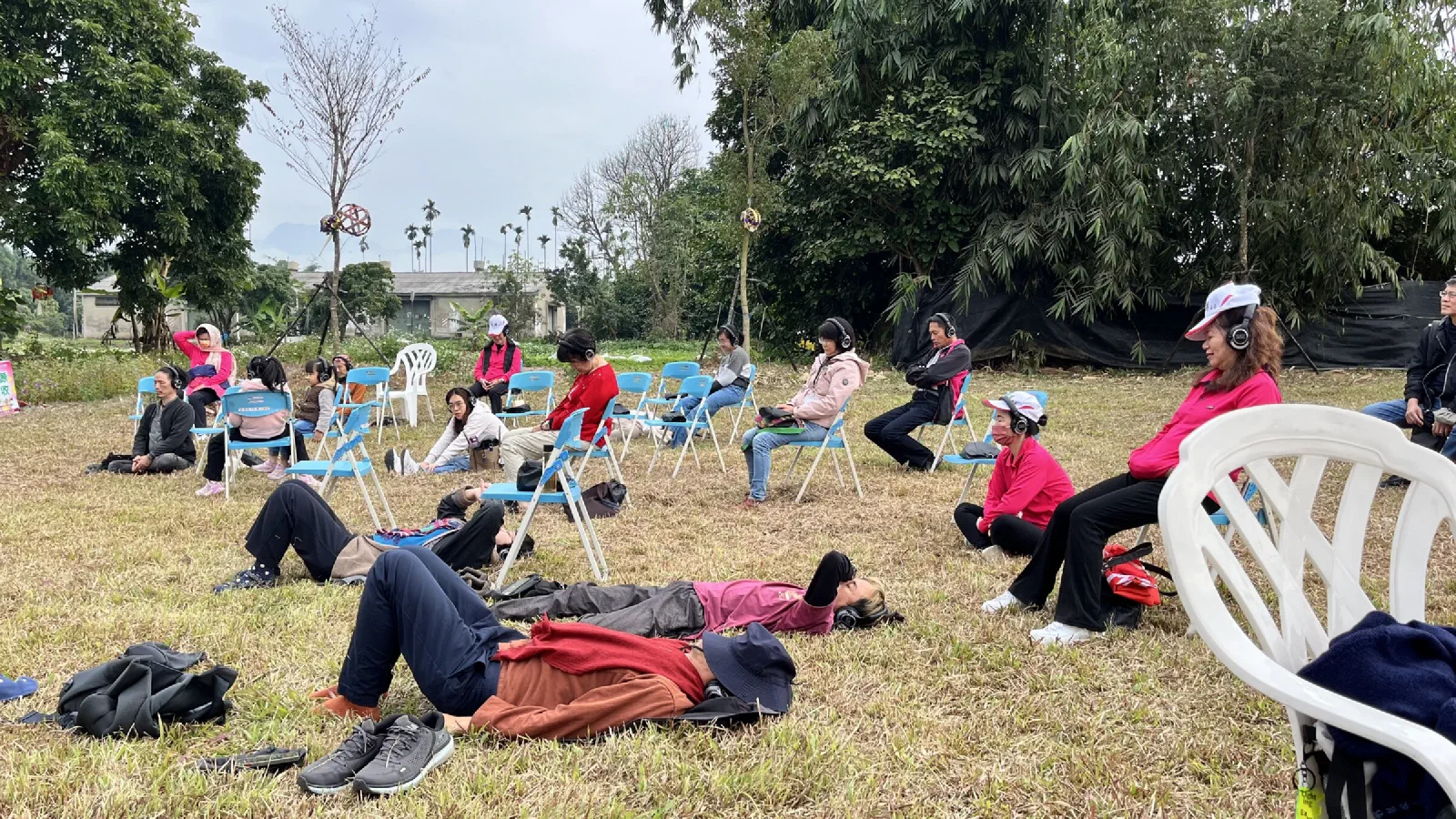
Four participants sit with eyes closed on a grassy field wearing headphones, with a light-coloured dog beside them and a concrete wall behind.
Participants in headphones sit on folding chairs and lie on the grass of an open field, listening with eyes closed, with trees and slender kinetic sculptures behind.

The project also established a sound archive belonging to Yongxing Village. It preserves not only the sounds of the area, but also the process through which residents listened to, described and reconsidered their relationship with their surroundings.

Credits

Project Title
Listening to Yongxing/聆聽永興
Concept / Field Recording / Workshop Design
Jez Fang
Programme
嘉義淺山野藝術行動/Chiayi Asayama Wild Art Action
Community
Yongxing Village, Fanlu Township
Exhibition Venue
Ammunition Depot H14, Fanlu Township, Chiayi
Project Period
2024–2025
Exhibition
January 18–24, 2025
Participants
Yongxing Village residents and elders
Medium
Field recordings, oral histories, participatory workshops, sound and moving image

All work