Learning to Listen
學習聆聽
Children’s Sound Awareness and Creative Expression /兒童聲音感知與創造表達
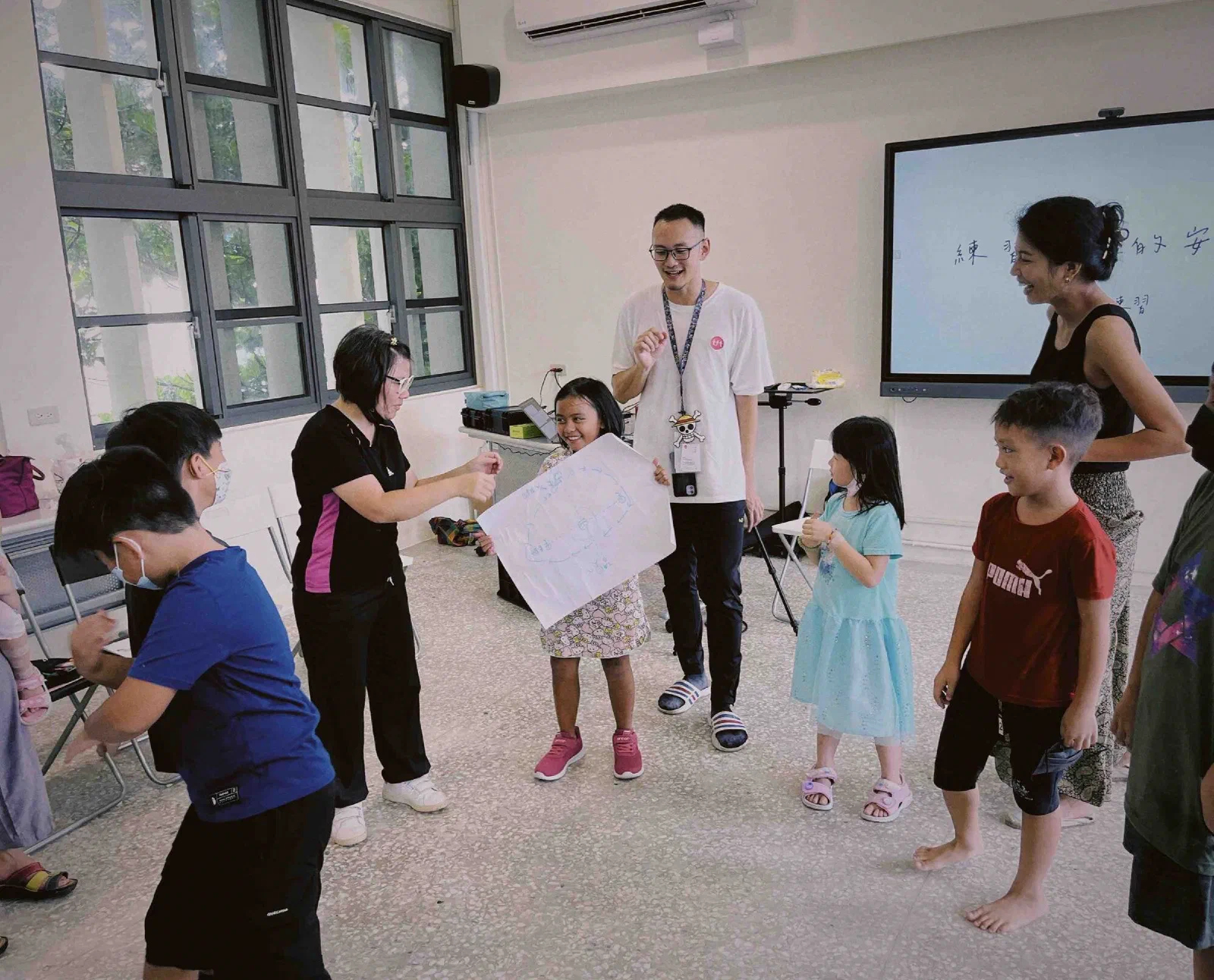
Frogs, hermit crabs, family songs, breathing and bodily sounds became materials for observation and creative expression. Rather than simply identifying their sources, the children explored how sound connects the self, other people and the surrounding environment.
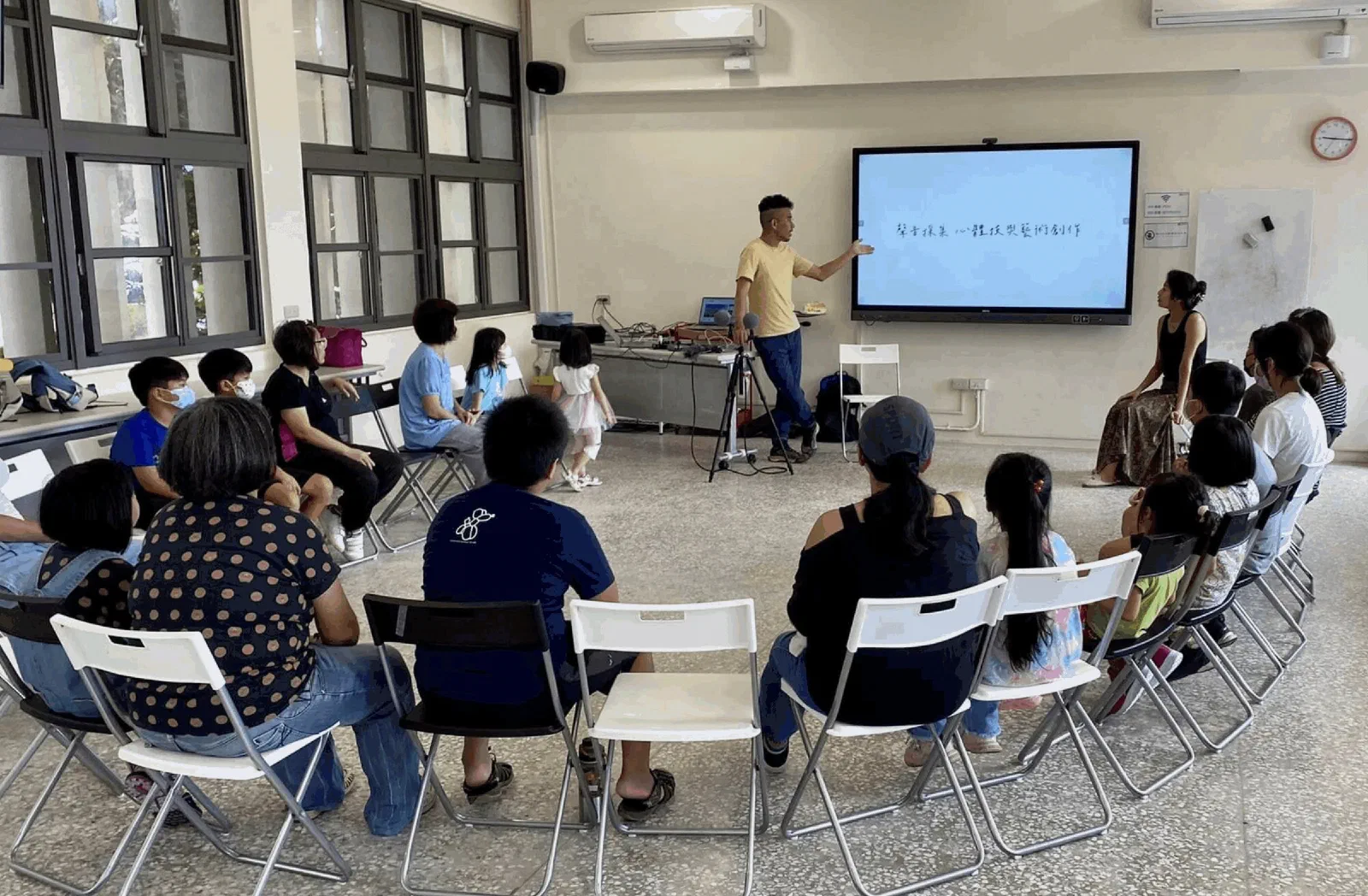
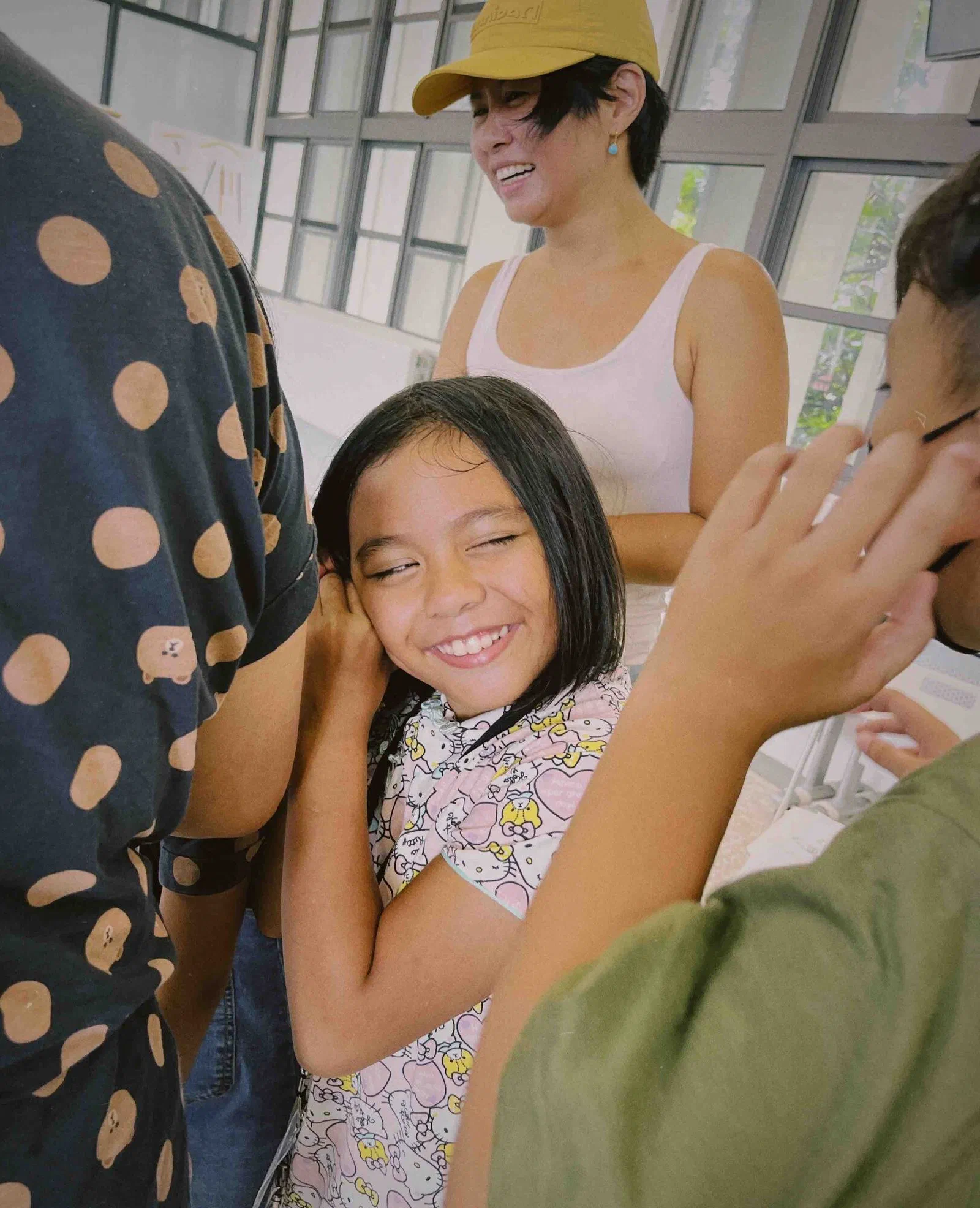
From Environment to Body
The process began by listening to the immediate environment. Participants searched for sounds that were near or distant, high or low, continuous or intermittent, noticing how different forms of life make their presence perceptible through sound.
Listening then moved inward towards the body. Through breath, footsteps and movement, the children discovered that the body is itself a sensory space—continually producing sound, receiving information and responding to its surroundings.
By placing the sounds of frogs, hermit crabs and everyday life alongside their own breathing and movement, sound became more than an object of knowledge. It became a way of encountering the world.
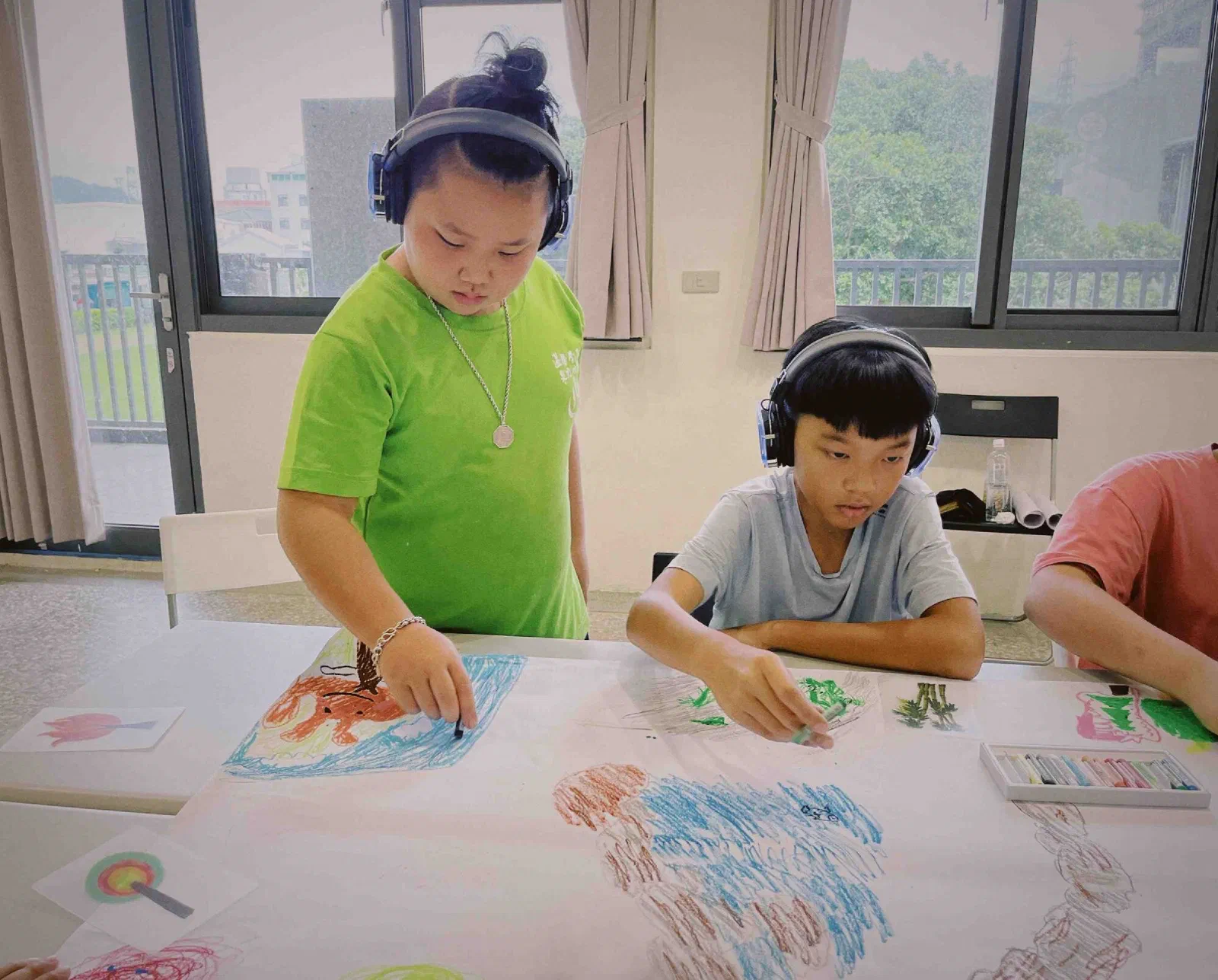
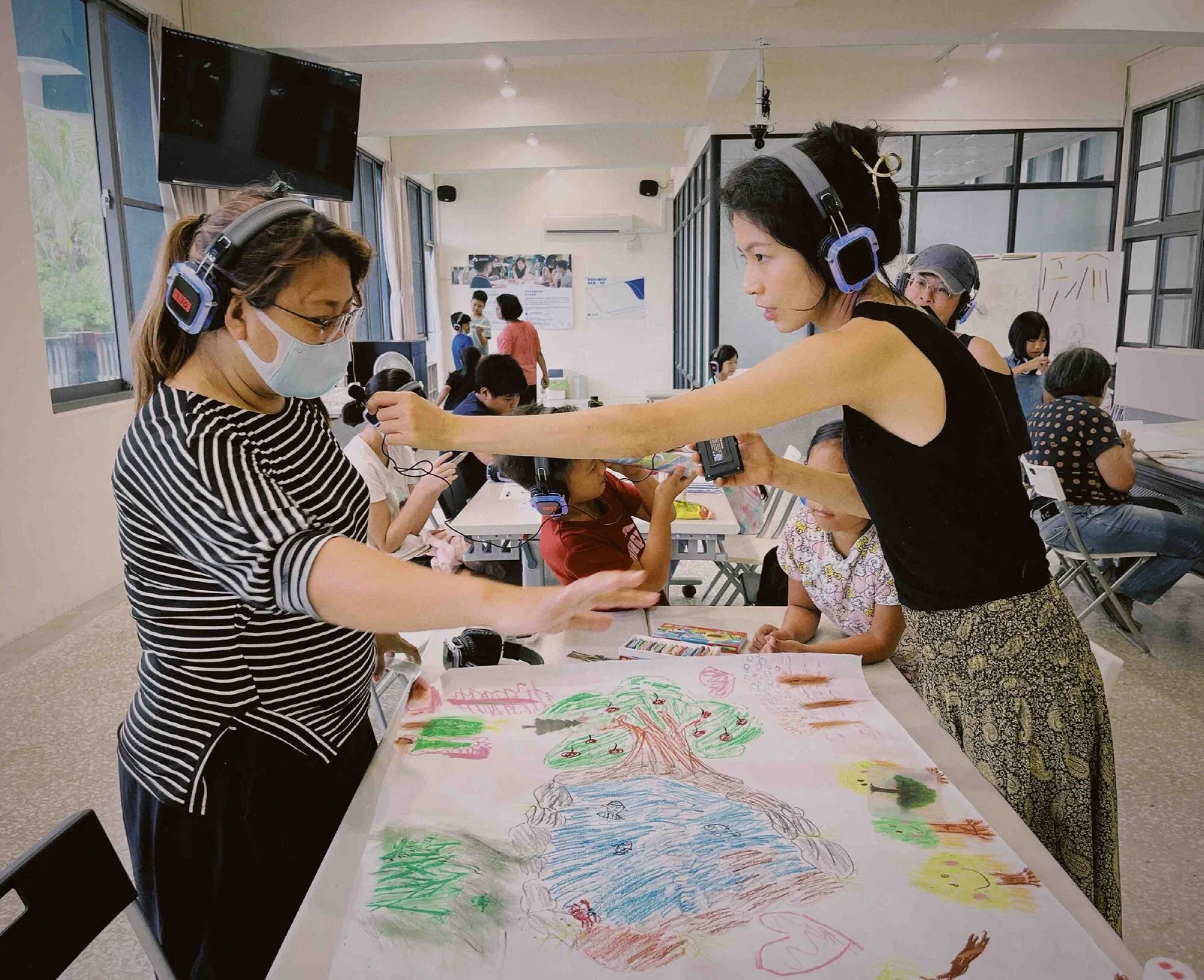
Family Sound Memories
Family songs and familiar domestic sounds connected listening with personal memory. Melody, voice and recollection became intertwined, allowing participants to express relationships and feelings that might be difficult to articulate directly.
These sounds did not need to become complete songs. A fragment of melody, a repeated rhythm, a breath or a remembered lyric could become the beginning of creative expression.
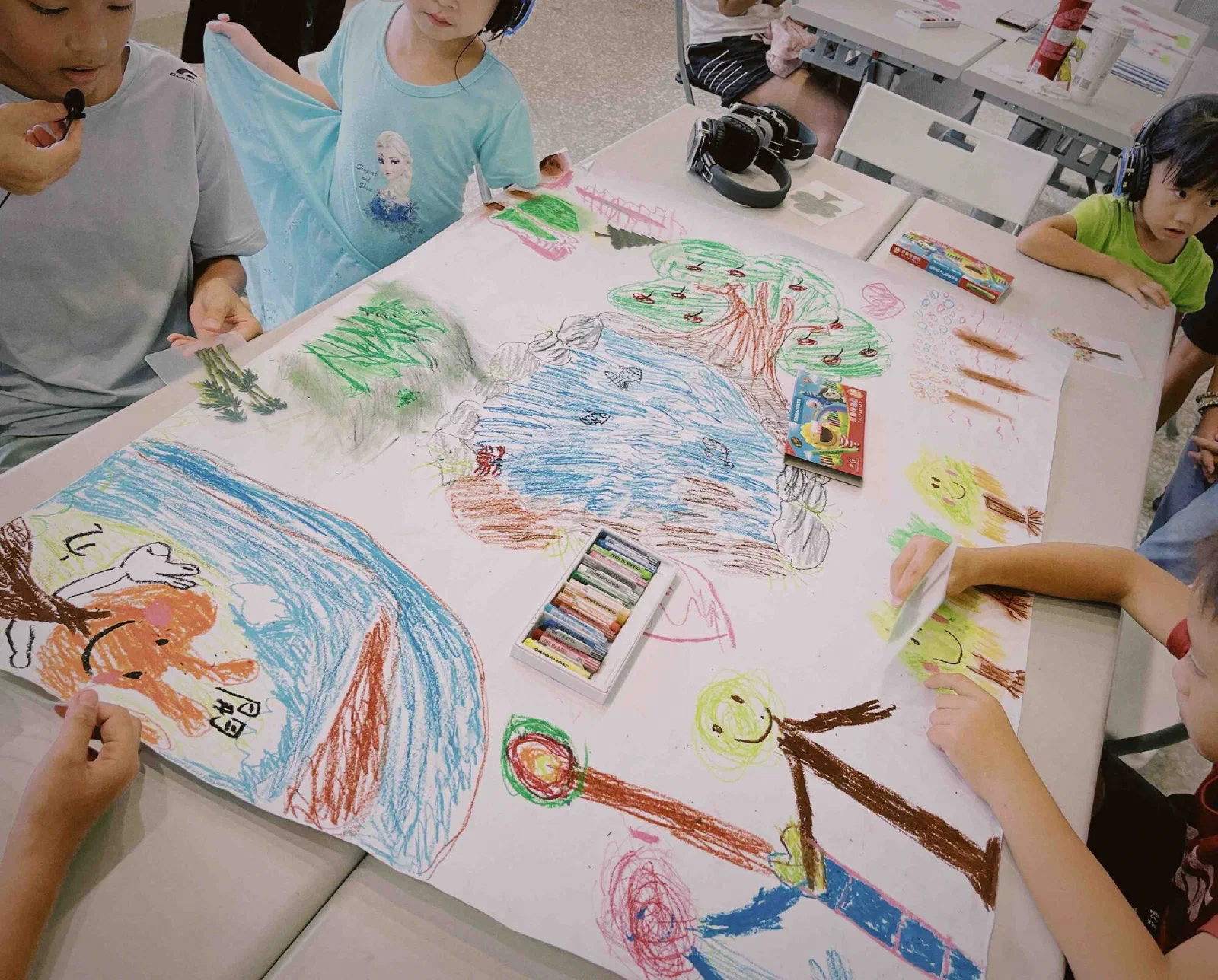
Silence and Collective Voice
The project moved between silence, individual expression and collective sound-making. Participants first practised waiting and listening before gradually responding to one another, forming a shared sound field without a fixed conductor.
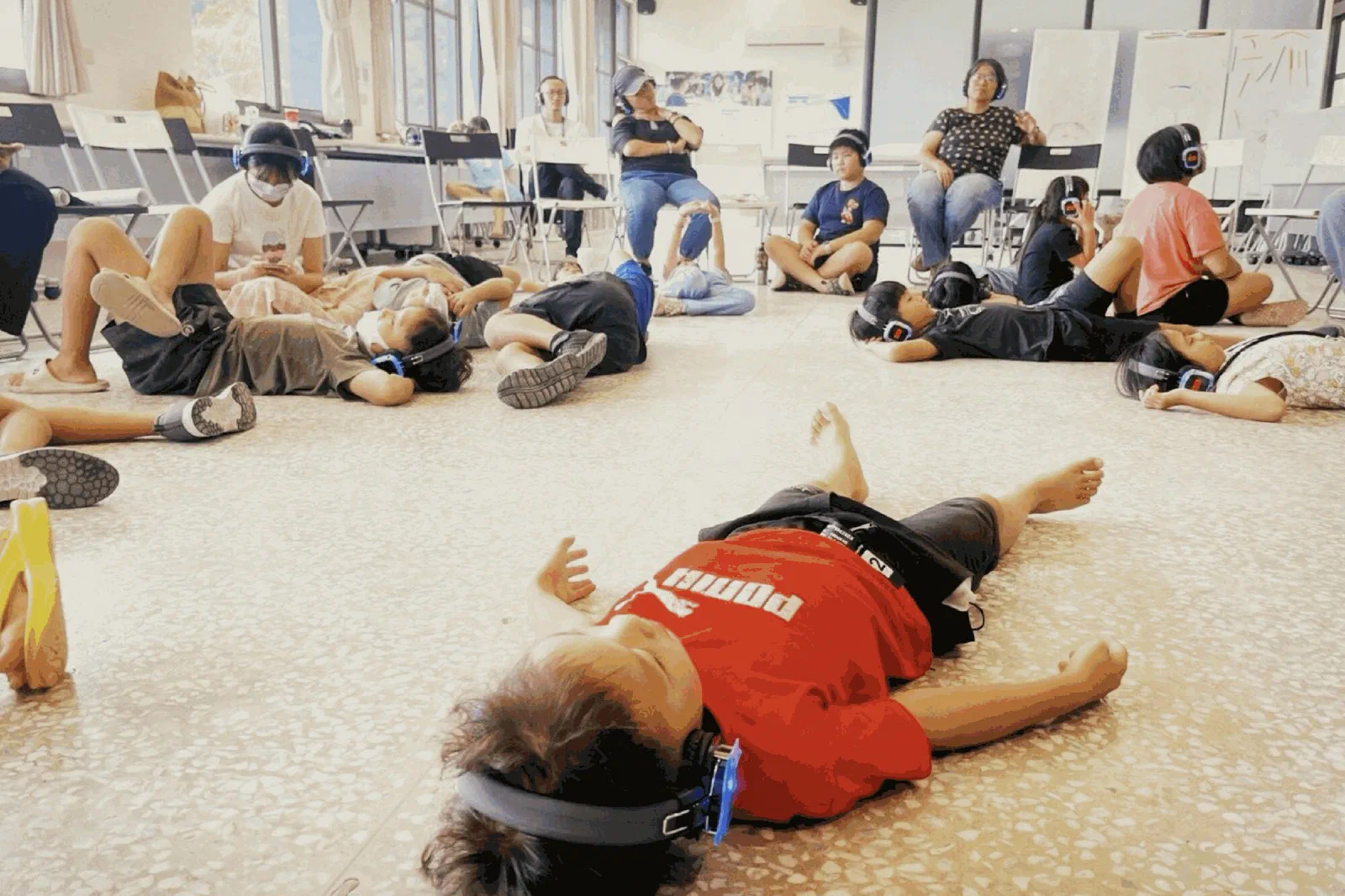
Listening was therefore approached not as passive silence, but as an active relational practice: knowing when to make a sound, when to pause and how to leave space for the voices of others.
Learning to Listen shifts sound education away from identification and imitation towards embodied awareness, creative expression and collective presence. The children learned not only how to hear more, but how to recognise their relationship with the world through sound.
Credits
- Concept / Workshop Design / Facilitation
- Jez Fang
- Programme
- Children’s Sound Awareness and Creative Expression
- Partner
- Teach For Taiwan
- Venue
- Teach For Taiwan Education Innovation Base, Pingtung
- Year
- 2023
- Medium
- Environmental listening, movement, breathing, voice and collective sound-making